Author: Angela M. May

  • Measuring Success

    Measuring Success

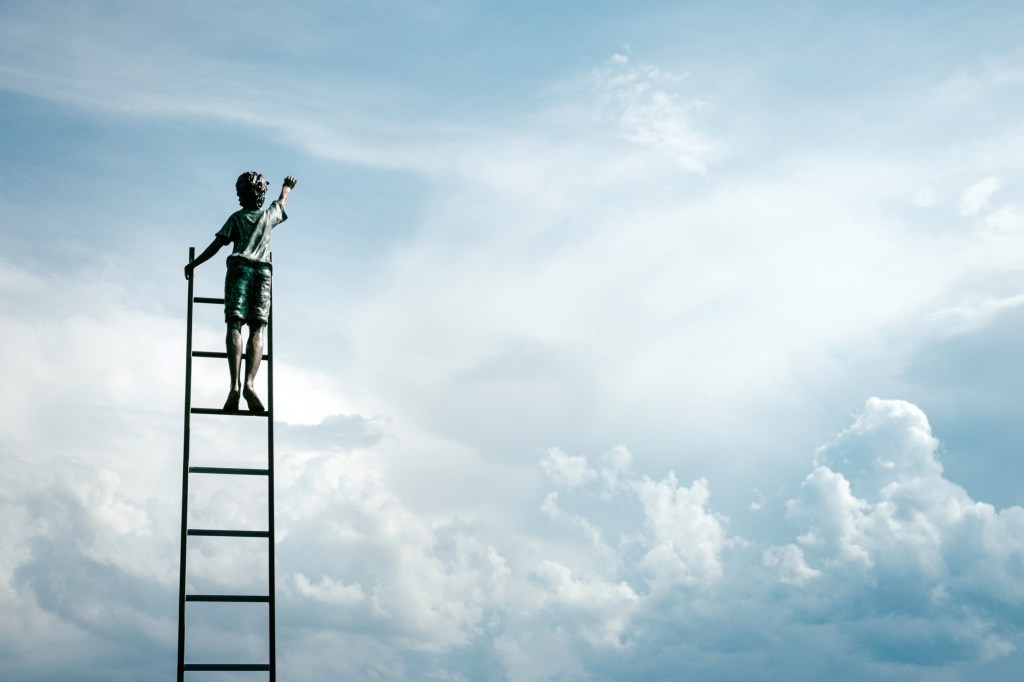
    How do you measure success? Is it about progress or is it perfection?  What if we are looking for things to measure when we should be looking for what is meaningful? 

    Returning to teaching this year, I am working with youth that have more challenges and obstacles to academic success than most.  I am challenged by own internal assumptions and beliefs around measuring success; both for myself and for others.  Should it even be something that is pursued?  

    I can fill my walls with every inspirational quote under the sun, but how then are these relevant when we insist on planning and measuring achievement by a yardstick that is different? 

    Even professionals are challenged by the pursuit of success.  Peter Pregman states “Pursuing success is like shooting at a series of moving targets. Every time you hit one, five more pop up from another direction.  Just when we’ve achieved one goal, we feel pressure to work harder to earn more money, exert more effort, possess more toys.” 

    An article by Laura Nash called “Success that Lasts”  offers a possible way forward with the kaleidoscope approach. This complex and complicated approach has the four components of happiness, achievement, significance and legacy.  If we ignore one of these components then we will not feel ‘successful’. 

    I do not have any conclusions to this question-yet.  If I am to offer encouragement and opportunity for success as an educator I am going to have to think a little deeper on this matter.  What do you think? 

    Photo by Samuel Zeller on Unsplash


  • The importance of old friends

    The importance of old friends

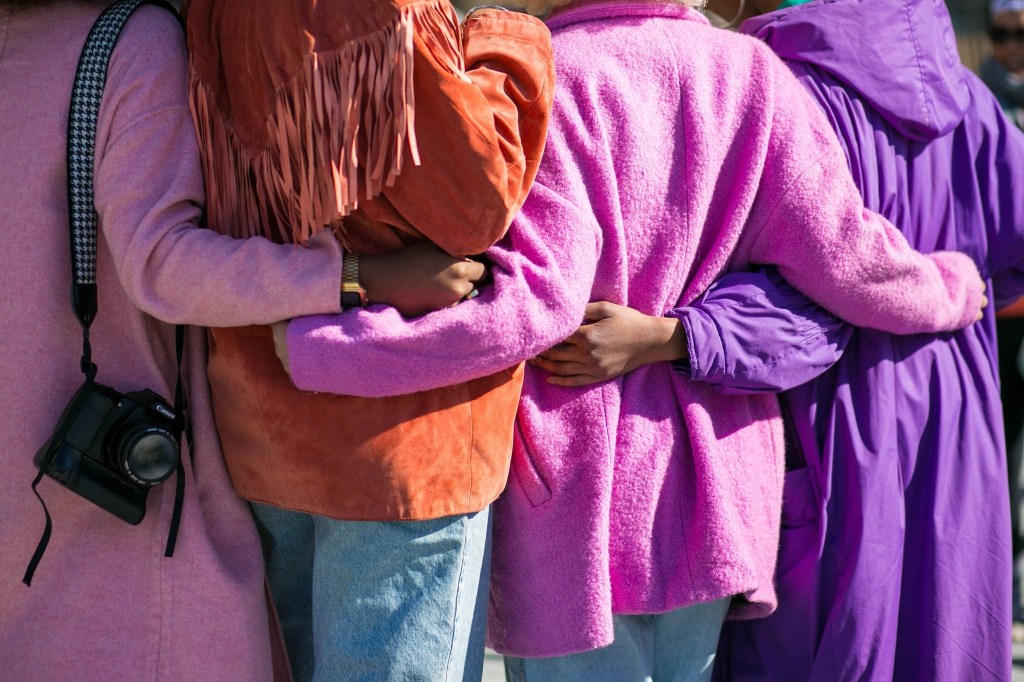
    Twenty-four hours was all we had for four ‘old’ girls to get together.  We four girls started-and finished university together, over 30 years ago.  For nearly four years we hung out together; studied together; some of us lived together; others of us partied together; sometimes we visited each other’s families and we all graduated together in 1987. 

    For twenty of the past years we did not see much of each other.  We moved away from campus, we got married, some of us had children, all of us worked and some of us moved overseas.  Over 10 years ago, we discovered we lived within the same corner of our state and decided to get together for lunch.  After quite a few phone calls and deciding where to go and who would travel the furthest, we managed it and of course enjoyed it. 

    Over the past ten years we have tried numerous times to get together again and occasionally made it happen.  Once we even met up in Sydney, as that was where one of the group lived.  This time, one of our group who lives on the other side of the country was visiting.  With a lot of to-ing and fro-ing with emails we managed to create a 24-hour window for us to meet and stay overnight together.  I would drive over 600 kilometres to meet up with these gorgeous ‘old’ friends.

    During our get together, we laughed, we talked, we ate, we talked some more. There was a little bit of shopping and we did manage even to sleep.  No great expectations. No great plans. Just a time to reconnect and perhaps even to reflect.  As one friend said “it was better than a year of counselling”! 

    Some of our most powerful friendships are made during university or college days.  John Coleman in “After graduating, keep community first” says these times are the most powerful-and the most jarring of times to leave behind, due to the social activity, the friendship, the ideation and discussion that happens in this space.  The only other place I have found the same powerful friendships has been in small Bible study group. 

    Three essential ingredients to forging friendships- and the ingredients that were definitely present for my friends and I thirty years ago, are proximity, repeated and unplanned interactions along with a setting that encourages people to let their guard down and confide in each other.  (Coleman) Evidently, the same essential ingredients are important for us to maintain our friendships too. 

    Friendships are good for our health.  Numerous studies have shown the link between health and community and friendship. Anna Miller in “Friends Wanted” wrote that psychologists have linked greater pain tolerance, a stronger immune system and the lower risk of depression and lower risk of an early death with strong social connections.  A shrinkage of people’s personal and friendship networks along with rising divorce rates creates a sparse social circle for people, which equates to a significant health risk.  Why then do we not prioritise keeping up with our friends? 

    Certainly, for me, distance has made it difficult.  Busyness too.  I also found that while raising my family, I did not always have time to consider my own needs.  I am sure glad that my ‘old’ friends have persevered to carve out a little time once in awhile to meet up again. 

    As much as I enjoy and love connecting with ‘new’ friends in my backyard, there is something very special about my friendships forged when I was a young adult.  I think it has something to do with a time before the responsibilities of life crowded in and before I became someone else’s wife and someone’s mother. It was a time when I was just me! 

    I enjoyed being ‘just me’ during those twenty-four hours I spent reconnecting with my ‘old’ friends.  We have not really changed; and yet of course we have.  Thirty years does that.  One thing that has not changed though is our ability to encourage each other when we let our guard down and confide in each other.  Or maybe it just as Ralph Waldo Emerson says “…one of the blessings of old friends (is) that you can afford to be stupid with them.”


     Photo by Vonecia Carswell on Unsplash
     

  • Finding true north in our work and life

    Finding true north in our work and life

    We were experiencing a crisis in parenting goals and conflict in our marriage as we co-fostered a teenager.  Our support worker sat us down one afternoon and helped us to understand what was going on.  It had to do with our values, he said and how we prioritised and projected ours in raising someone else’s child.  This crisis seemed to centre around whether this young person we were co-parenting, chose to adopt or dismiss our values.  This teenager had to weigh up not only our values, but also the values of his parents and his peers and decide what he would dismiss or adopt.  Tough gig, I reckon!

    How many of us ever really sit down and define what our core values are and whether we need to reconsider which one’s we prioritise-let alone project?  Life Coaching experts Patrick Williams and Diane S. Menendez promise that the meaning we seek and satisfaction we long for, is found when we align our work and life with our core values.  In order to thrive and experience full satisfaction we must be aligned.   This starts with identifying one’s core values. 

    I had a spiritual conversion in my mid-thirties.  My values were overhauled and realigned as I sought to live my life by the values of my family of faith.  I had been raised in a family whose values were aligned with a traditional religious community, so my realignment often involved rediscovering my roots.  The biggest overhaul of values involved throwing out values I had absorbed and prioritised unconsciously from the media and culture I was raised in.   

    Some of the refining that has occurred in recent years has been identifying which of my core values are driven by fear and which by purpose and meaning?  Which have been driven by the need to please others and which by the need to please a Holy audience of one?   The biggest joy has been ‘discovering’ or ‘rediscovering’ the me I was born to be before I tried to be someone else.

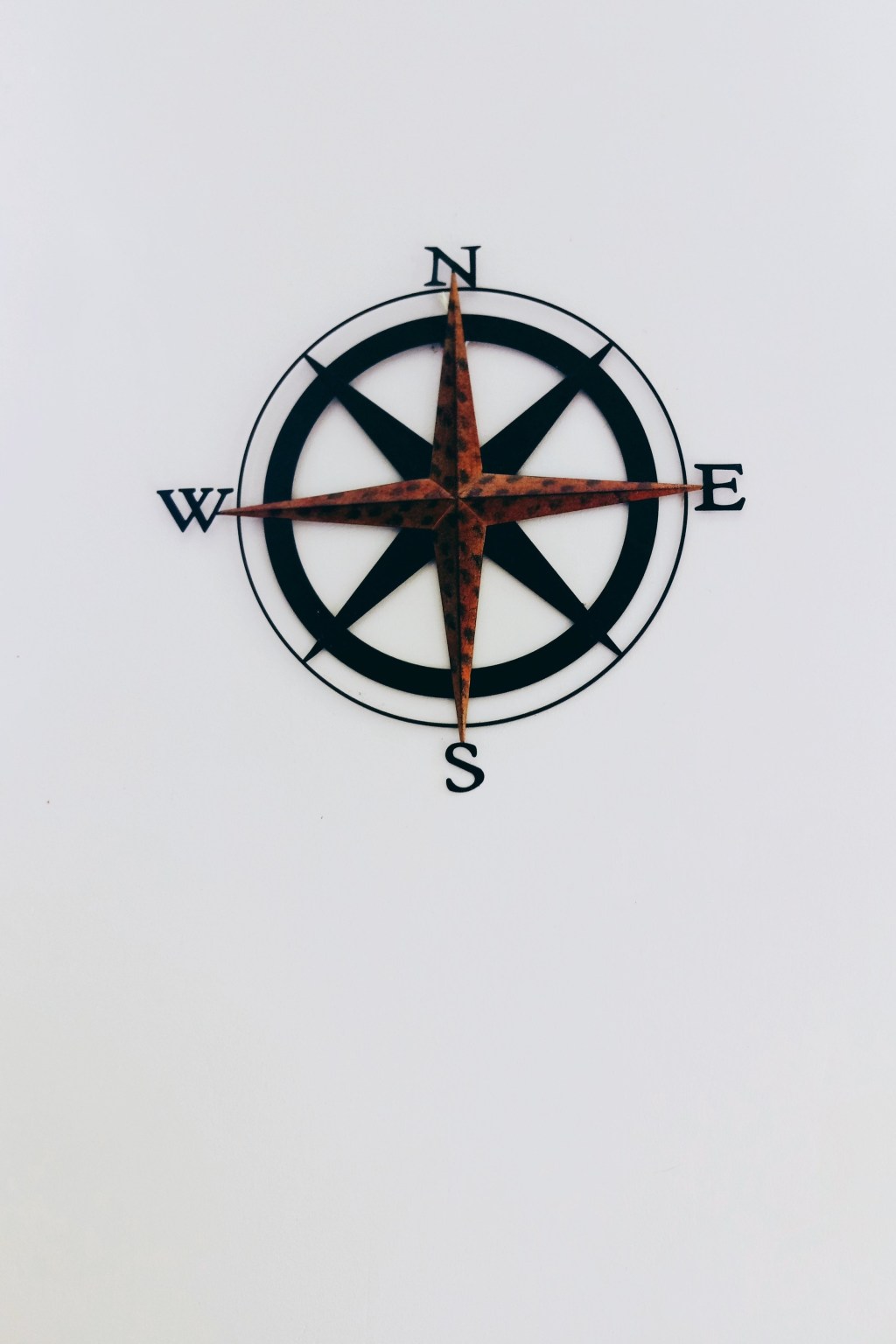
    Identifying and choosing our core values are like finding the true North on a compass. Redefining them feels like getting rid of negative magnetic interference and recalibrating this true north.  Finding this will help to find direction for our life and choices. 

    I will be the first to admit, surfacing and naming my core values has not been all that simple.  Most times I am not even aware how they direct my life; but they do direct my life in both habit and action.  It’s times of crisis, like our fostering co-parenting one, that I realise the importance of examining them and considering realignment and recalibrating them.  It is also in times of disquiet that I pause and consider what habits I need to change if I want to align my life and work to my core values. 

    Whose values guide your life?  When was the last time you identified the core values that direct yours?  Maybe the disquiet you feel or the crisis of belief is in invitation to realign or recalibrate and discover your true North. 

    As Jennifer Cummings says “Knowing my true north gives me the courage to focus my energy where I believe it should be, not according to what is popular or pleasing to others.” 

    Photo by Honey Yanibel Minaya Cruz on Unsplash.com

  • Is the Balanced Life a Myth?

    Is the Balanced Life a Myth?

    I grew up with a father who worked hard and gave his work his best.  He was the kind of man who left for work with a half hour to spare in case he got a flat tyre and thus ensuring he would not be late.  Most days he would be half hour early.  He was also the kind of man said “You can play when the work is done.”

    Researcher Ioana Lupu writes that our feelings about work-life balance are shaped by what we saw our parents do.  More often than not, our beliefs and expectations around the right balance between work and family are shaped early on and are subconscious. Our work ethic is internalised from childhood. Of course, people also make conscious choices to not be like their parents.   

    I made some conscious choices as a wife and mother to do things differently to my mother and yet often, I found myself subconsciously doing the same.  Not once though did I question my subconscious beliefs and expectations shaped by my father’s example.    I wonder now if that may have been the reason I have come close to burnout several times in my career and life. 

    Often, we blame the organisation and society for being the obstacle to getting work-life balance and satisfaction.  Lupu’s research highlights that the impediment is also within the individual themselves.  Instead of moving to work at another organisation, perhaps we should consider looking within and locating those internal drivers and subconscious beliefs we have towards work and rest. 

    What I forgot is that my parents grew up in an era where weekend trading was not offered. It was also normal to make Sunday a day of rest and worship.  Working hard all week was balanced with Sabbath rest.  My parents were also from farming families. They understood and practiced the rhythm of seasons. There were times to plant and times to harvest and times for land to lay fallow. 

    We now live in a world where communication technology makes our messages-and us available instantly and accessible twenty-four seven. There is no sabbath or seasons.  How can we play when our work day is never over? 

    We also live in a world where it is more common for women to have a career and a family.  While we aspire to have a more balanced life, many of us continue to work hard like our parents and yet forfeit the family life we seek. Our internal drivers often override the conscious promises we made ourselves and our family. 

    I do wonder though if the pursuit of this balance is not in fact mythical.  It is a bit like trying to catch a fairy.  Being in control of our lives is an illusion.  The sooner we give that up, the sooner we lighten up and enjoy the rhythm of work and rest.  By enjoying our sabbath rest, we give up the need to have everything perfect and may actually get a life in the process.  I think a balanced life does not exist! 

    Photo by Austin Neill on Unsplash

  • Finding Fierce

    Finding Fierce

    Finding Fierce

    As a parent, a teacher, a leader and a woman who wants to be taken seriously, finding my fierce has not been easy.  I believe as a woman, it is harder than a man to find our fierce. Kicking the nice girl syndrome is the first task.  Perhaps the biggest barrier is overcoming the fear of being called a B*#&!  Sadly, being nice is often synonymous with weak and too much assertiveness-whatever that may be, is considered aggression?  Finding my fierce has been like adjusting a thermostat according to the seasons. In winter people look for warmth and in summer. the cool.  The difference may only be a few degrees, but the adjustment is critical to the environment and the response of those it impacts. 

    Returning to teaching this term I am reminded of the importance of finding the right degree of fierce if I am to be taken seriously in the classroom.  Teenagers are great at seeing through bluff and pretence and are ready to test boundaries.  Finding my fierce has had to be authentic and is a matter of degrees. Too much fierce and many resist and some even tremble. Not enough and chaos reigns.  Just how do I find the right level of fierce to keep order, be heard and achieve results? 

    I have come to realise that being fierce is not about roaring like a lion but it does involve speaking assertively and expecting to be heard.  It does not involve standing over someone but it does matter how I stand.  It does not mean I have to look ferocious but I do have to look at the other.   Perhaps it is as Marcia Reynolds in ‘The Fine Art of Female Assertiveness” says; it is knowing the difference between forcing your point and being able to persuade people to listen.

    Research of 1,100 executive women showed that even women with strong voices struggled in executive meetings to articulate a strong point of view and be heard. Half of the male managers interviewed said these women allowed themselves to be interrupted, apologized repeatedly and failed to back up their opinions with evidence.  Women, they said become defensive when challenged and panic or freeze when they lose the attention of those they are speaking to.  One recommendation is for these women to make their language more muscular by using active words, authoritative statements, taking ownership of their opinions and building on other people’s ideas rather than just agreeing with them. Being fierce it seems is just as much about the tone as it is the words. 

    Finding my fierce in parenting was definitely trial and error.  I often shifted on the continuum between passive and authoritarian.  Finding that balance between control and nurture and authoritative and compassionate is equally as delicate as finding fierce in the business world.  Clear boundaries, warnings and consequences along with clear expectations are often easier said than done especially when one’s own personal boundaries are not clear.

    Finding one’s fierce has had more to do with identifying your value and what your values are, rather than pretending to be fierce-especially if that is something you are not.  By establishing clear boundaries around one’s value and values, we can then determine the consequences when these personal boundaries are broken. For example, if you truly value being heard, when someone talks over you, you will consider and implement consequences.  You will bring that to their notice and stop talking until they listen to you fully, because you value being heard.

    In the words of Margy Warrell, a global authority on brave leadership, “…own your value, stand tall in your worth, speak your opinion and dare to bring your full quota of brilliance to every conversation.”  Let us own our value and find our fierce!

     Photo by Corentin Marzin on Unsplash


  • Finding refuge under the wings of a motherly Father God on Mother’s Day

    Finding refuge under the wings of a motherly Father God on Mother’s Day

    I am blessed to have two children who call me mum. One of those turned up with his wife and cooked me-well all of us, a gourmet breakfast for Mother’s Day.  The other was too far away to drop by but she messaged me instead.  My mother was in my thoughts today, but not with me, as she passed away nearly seven years ago.  

    Last year on Mother’s Day I reflected on my relationship with my mother, which was complicated and less than perfect.  I wrote a blog titled ‘On Loving a Less Than Perfect Mother” overcoming my nervousness about writing about less than perfect motherhood- which seemed to me to be one of those sacred cows.  I was humbled by the response and moved that so many people related to my story.

    Photo by rawpixel on Unsplash

    Sadly, there are many people who have a less than perfect relationship with their mother.  Some relationships are filled with the pain of abandonment, rejection, maybe neglect and or abuse.  For some people there is little or no relationship at all. Some of our mothers were too wounded to be there for us.  Mother’s Day is therefore often painful.  

    Some of you are those mothers who in spite of doing the very best you could, have unintentionally abandoned your child, rejected them, ignored them or even hurt them.  My heart goes out to you on Mother’s Day.   

    The fact is none of us are perfect, and neither are our mothers. We need not lose heart though as we have a motherly Father God who will never abandon us or forsake us.  His love is perfect and everlasting.  In Him we can find shelter and encouragement in His care. In Him we can find healing, forgiveness and nurturing love.  

    I love the imagery in the Bible of a God who is like a mother hen gathering the chicks under his wing. Those wings are a nurturing refuge; a place of warmth and security.  The Psalmist knew that too.  He spoke of the unfailing love of God and the refuge in the shadow of His wings (Psalm 36:7). He spoke of God’s faithfulness and covering with feathers (Psalm 91:4).  He spoke of God’s mercy and refuge in the shadow of the His wings until disaster passed (Psalm 57:1). And he spoke of his desire that God keep him the apple of his eye while hiding him in the shadow of His wings (Psalm 17:8). 

    If you struggle on Mother’s Day, please be encouraged that you are not alone.  There are others that understand your pain and there is another in whom you can take refuge.  This week may you find shelter under those ‘wings’, and may you know what it is like to be His. 

  • What does brave look like?

    What does brave look like?

    If I told you that we should pursue bravery and not perfection, what does this look like?  Do we have to buy armour, practice our sword skills or take up martial arts?  Must we jump out of planes or climb huge mountains just to be considered brave?  Maybe. Maybe not. 

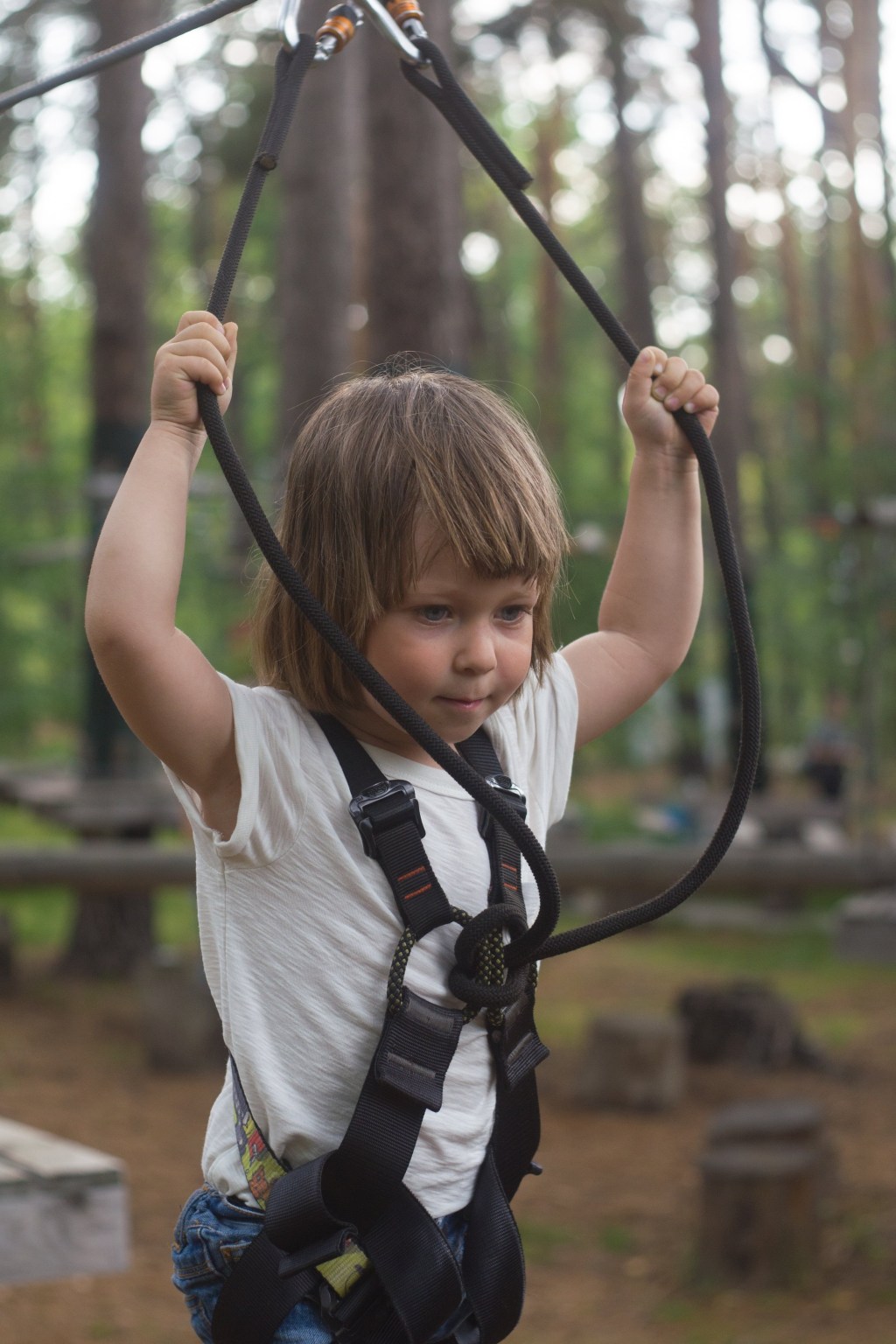
    What if brave is doing something that makes you scared; like scared of being rejected, not liked, being criticised or even failing?  Maybe brave is being imperfect at something until you get better. Maybe brave is feeling foolish until you feel confident.  Brave is speaking up even when your voice wobbles. Brave is having and expressing your opinion knowing that not everyone agrees with. As Brene Brown says “Sometimes the bravest and the most important thing you can do is just show up.” 

    Perfectionism kills bravery.  It paralyses us and prevents us from exploring, taking risks and being adventurous.  Getting something perfect or being perfect is both an illusion and a lie.  We will never be perfect in this life. We will never be without flaws and imperfections. It is unlikely that we will get it right first time.  Aiming for perfection can paralyse us and it certainly robs us of life and living.

    When was the last time that you tried something new and pushed yourself outside of your comfort zone?  I know that the older I get the more awkward I feel in new situations.  It feels safer to work at getting perfect in whatever I already know rather than try something new as a novice. 

    My husband is working on getting his pilots license. Now that is something to be afraid of!  Falling out of the sky or crashing.  The crazy thing though is that is not what he needs to be brave about.  Being brave for him is not giving up when he cannot get his landing or take-off perfect.  It is being back at school having to study, sit exams and getting marked again.

    To me bravery is leaving the shallows and diving in.  When we stay in the shallows we are safe, we are comfortable, our hair doesn’t get messed up, we don’t get sand in our swimmers- but we don’t learn to swim there either.  Diving in means taking a risk. We might get dumped by the wave, we might get water up our noses and in our ears; but it is exhilarating and tests our limits and, in the process, we realise we are living; we are swimming and no longer paddling.  We are no longer a spectator but a participant of life. 

    I take comfort from Scripture and in a God, who says “Be strong, and courageous. Do not be afraid. Do not be discouraged for the Lord your God will be with you wherever you go.”   May you find comfort too in these words as you pursue bravery this week! 

    Bravery for you may be different for me.  What is it this week that you will brave?  Remember, baby steps are fine.  So are flying leaps. 

    “What if I fall; Oh, but my darling, what if you fly!”  – Erin Hanson

    Photo by Arthur Lugovoy on Unsplash

  • The sacred ordinary

    The sacred ordinary

    ‘I believe God made me for a purpose, but he also made me fast and when I run, I feel his pleasure.” I first heard this quote when I watched the movie “Chariots of Fire”; a movie based on the true story of Eric Liddell, a Scottish athlete and Olympian Gold medallist born in the early 1900s. 

    He was a fast runner and a man of faith and he did not separate the two.  He not only found personal pleasure when running but he also felt God’s pleasure when he did it too.  I am reminded that there is no separation between the sacred and the secular; nor should there be between who we are during the week and who we are on Sundays.  Eric loved both God and his running and he took delight in both; and sensed God’s delight too. 

    Growing up, I often struggled to find congruence between the church service I attended on a Sunday and my life for the remainder of the week.  I grew to associate Christianity with church activities and a place rather than a 24/7 spirituality that involved all of life.  I now know that this is not the case and that my faith can in fact translate to the remaining six days of the week. 

    I am thankful for the classic “The Practice of the Presence of God” written by Brother Lawrence.  Here was a Christian brother who knew God’s delight and presence while doing his daily chores.  I drew much strength and comfort from his reflections during times of what often feels like domestic drudgery and ordinariness. 

    One of the most sacred times in my life is the week leading up to Christmas, when I listen to Christmas carols and spend the days baking.  I bake for our family, I bake for my extended family and I bake for others.  It is one of those times that I feel both personal pleasure and God’s pleasure in what I do.  Why is it that I do not find the same pleasure every night when I cook dinner?  Maybe I need to work on that!    

    Like me, you may not be a famous fast runner nor live in a monastic religious community.  Perhaps, like me you are an ‘ordinary’ woman-or man.  Our ‘ordinariness’ does not exclude us from living a sacred life, every day of the week.  We too can find pleasure and know God’s pleasure doing what he has created us to both do and enjoy.   What is that you do that gives you a sense of pleasure AND a sense of God’s pleasure?

     Photo by Elijah O’Donell on Unsplash


  • The importance of disruption

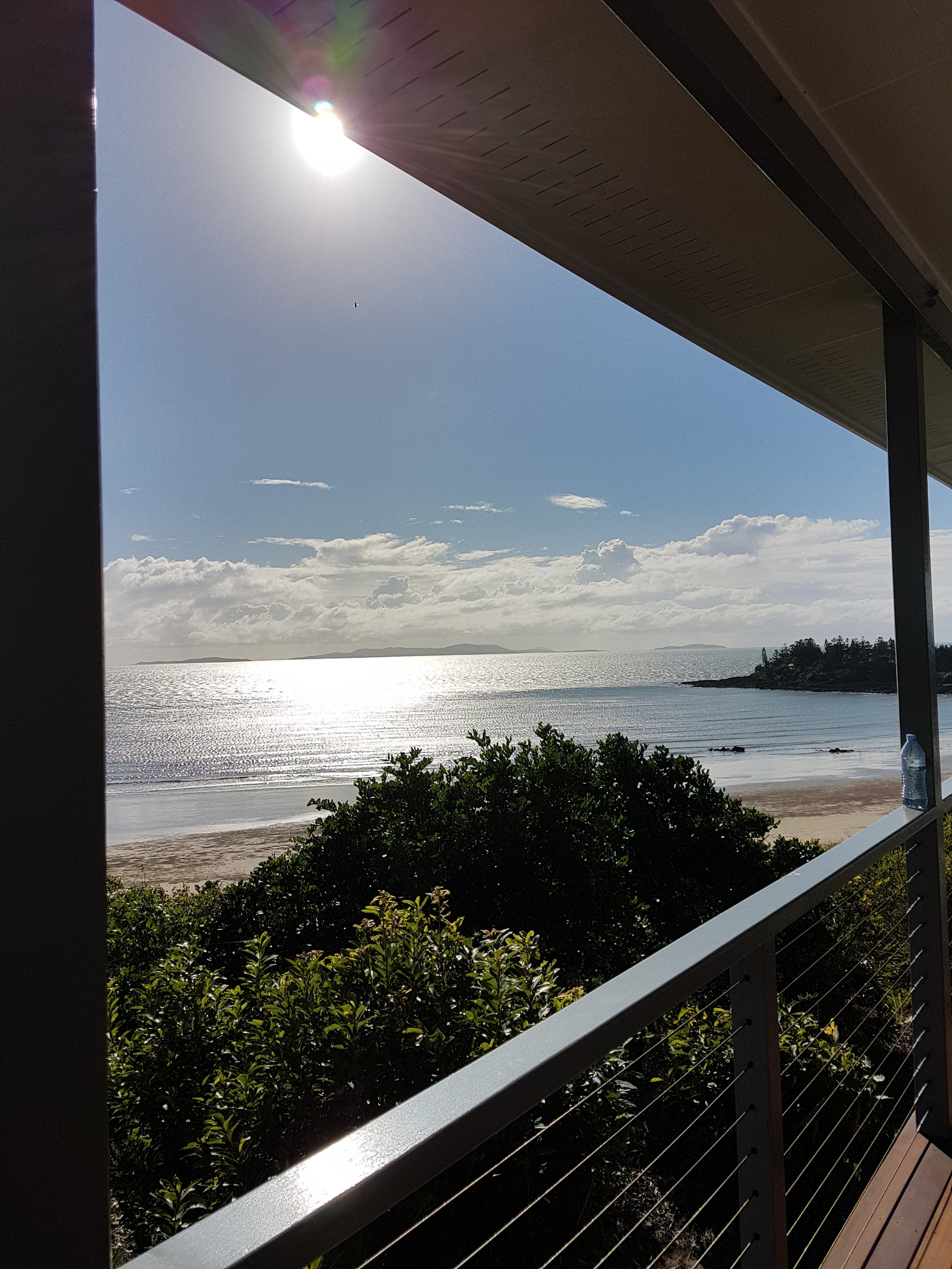
    There is something soothing about a retreat held seaside. This weekend I had the privilege of sharing this view with a bunch of other women- and God.

    My first morning started with a walk on the beach at sunrise. The second I chose to catch up on sleep. 

    I often find going away to be a disruption to routine and wonder if staying home would not have been easier. Certainly I wouldnot have eaten quite as much, I would have slept better in my own bed and I would have caught up on housework. However, I would not have experienced the moments of deep reflection, of loving sisterhood and would not have been as challenged for growth as I had, if I had stayed at home. 

    In business, I have always been a believer in stepping out of the business in order to work on the business. I think the same is true for our personal lives and growth. Sometimes we are so engrossed in the minutae of the daily grind that we forget the importance of getting a bigger view; and the importance of working on our life. 

    I have still to process what I have taken away from this retreat. And there is much. I know the real results will be determined by my actions afterwards. This disruption was indeed a gift. 


    upload.jpg

  • Running for my life

    Running for my life

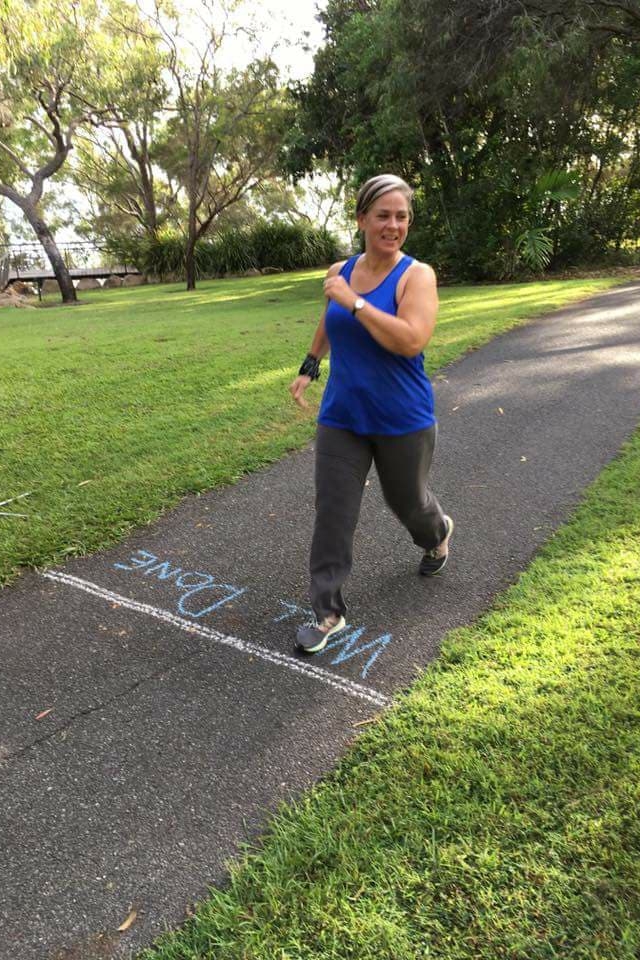
    In the absence of inspiration, and in desperation to share something on my blog today, I have resorted to sharing a current picture of myself!  For the past five weeks I have woken early on a Saturday morning to join others in a 5 kilometre Park-run at the local park.  As my girlfriend phrases it, we ‘jalk’ or ‘wog’ around the course. That is to say we mix it up and do not actually jog the course but pick our pace up at times so we do not walk either.  It is my goal to be able to say one day this year that I jogged the full course!  

    As you can see, I am not an athletic woman.  I have lots of curves and extra padding.  I have struggled all my life with extra weight and have preferred sedentary pastimes to active ones.  Hormones, auto-immune disease and a love of good food has conspired to keep me everything but thin.  But,  I refuse to let that stop me from working towards a healthier me.  

    I have always enjoyed walking and have progressively built up my morning routine to longer walks.  Two years ago I received the sobering news that my bone density was progressing into the dangerous zone.  I saw this as incentive enough to join the gym and lift weights to strengthen my muscles but also positively impact my bone density.  I am hooked and now visit the gym three times per week. I love how I feel afterwards and the habit has now been established.  

    I approached the parkrun with the same attitude. I would establish another habit in my week that would contribute to my wellbeing.  And so here I am. Still a long way to go before I run the full course- but I have started.