Category: speaker

  • Finding Fierce

    Finding Fierce

    Finding Fierce

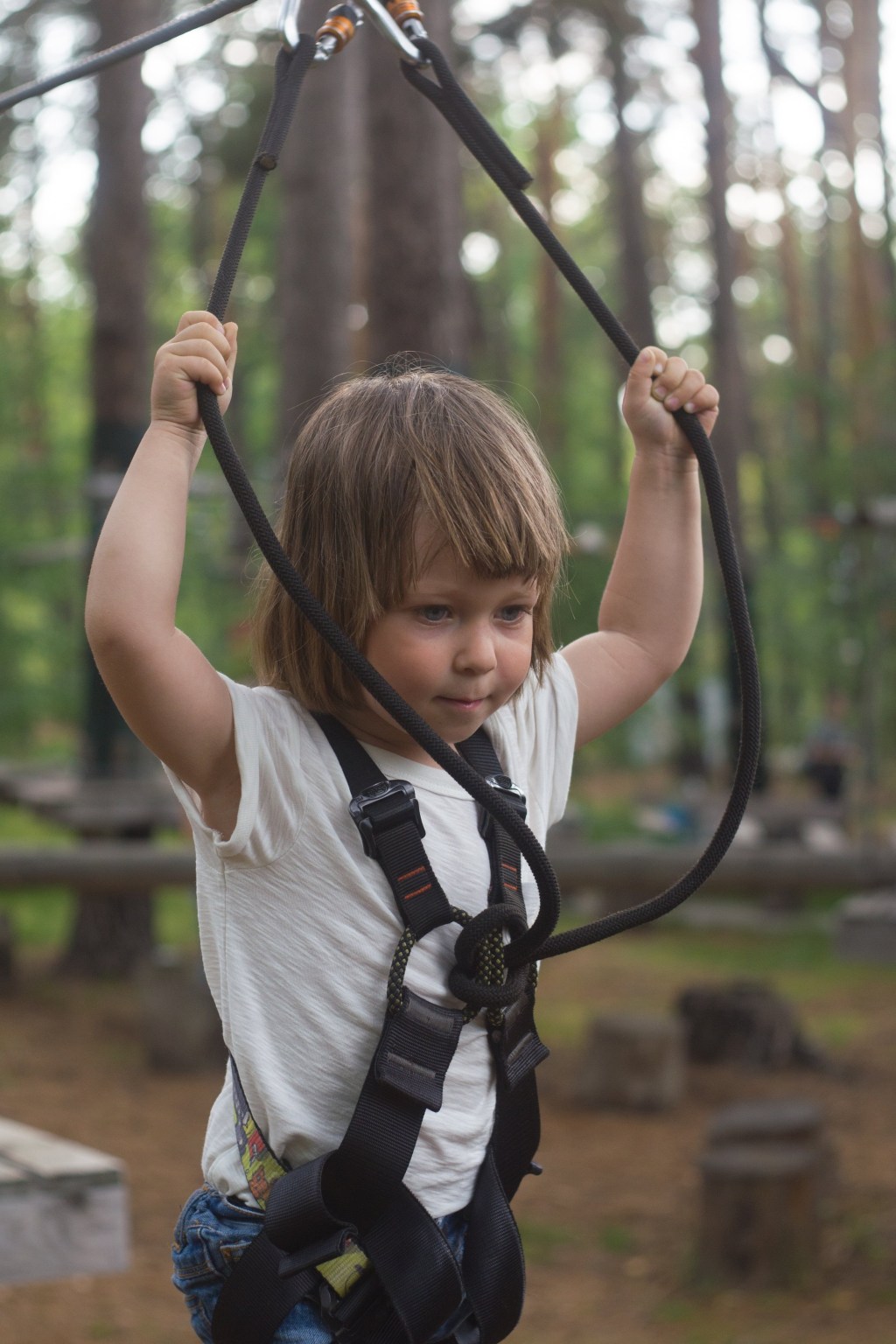
    As a parent, a teacher, a leader and a woman who wants to be taken seriously, finding my fierce has not been easy.  I believe as a woman, it is harder than a man to find our fierce. Kicking the nice girl syndrome is the first task.  Perhaps the biggest barrier is overcoming the fear of being called a B*#&!  Sadly, being nice is often synonymous with weak and too much assertiveness-whatever that may be, is considered aggression?  Finding my fierce has been like adjusting a thermostat according to the seasons. In winter people look for warmth and in summer. the cool.  The difference may only be a few degrees, but the adjustment is critical to the environment and the response of those it impacts. 

    Returning to teaching this term I am reminded of the importance of finding the right degree of fierce if I am to be taken seriously in the classroom.  Teenagers are great at seeing through bluff and pretence and are ready to test boundaries.  Finding my fierce has had to be authentic and is a matter of degrees. Too much fierce and many resist and some even tremble. Not enough and chaos reigns.  Just how do I find the right level of fierce to keep order, be heard and achieve results? 

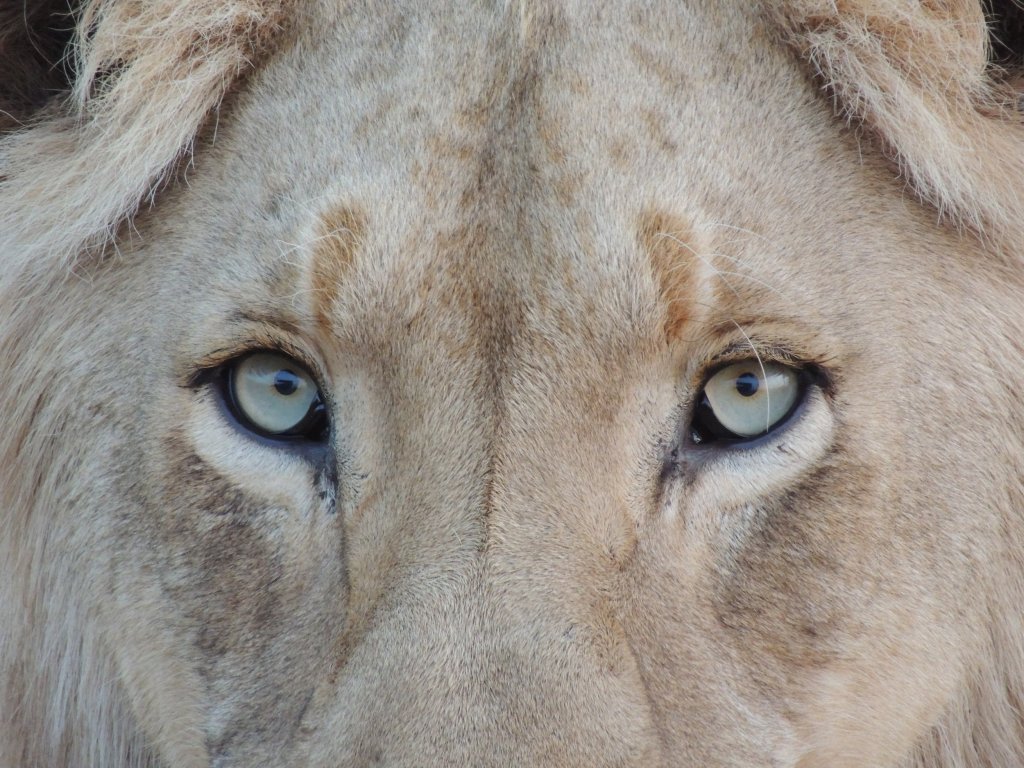
    I have come to realise that being fierce is not about roaring like a lion but it does involve speaking assertively and expecting to be heard.  It does not involve standing over someone but it does matter how I stand.  It does not mean I have to look ferocious but I do have to look at the other.   Perhaps it is as Marcia Reynolds in ‘The Fine Art of Female Assertiveness” says; it is knowing the difference between forcing your point and being able to persuade people to listen.

    Research of 1,100 executive women showed that even women with strong voices struggled in executive meetings to articulate a strong point of view and be heard. Half of the male managers interviewed said these women allowed themselves to be interrupted, apologized repeatedly and failed to back up their opinions with evidence.  Women, they said become defensive when challenged and panic or freeze when they lose the attention of those they are speaking to.  One recommendation is for these women to make their language more muscular by using active words, authoritative statements, taking ownership of their opinions and building on other people’s ideas rather than just agreeing with them. Being fierce it seems is just as much about the tone as it is the words. 

    Finding my fierce in parenting was definitely trial and error.  I often shifted on the continuum between passive and authoritarian.  Finding that balance between control and nurture and authoritative and compassionate is equally as delicate as finding fierce in the business world.  Clear boundaries, warnings and consequences along with clear expectations are often easier said than done especially when one’s own personal boundaries are not clear.

    Finding one’s fierce has had more to do with identifying your value and what your values are, rather than pretending to be fierce-especially if that is something you are not.  By establishing clear boundaries around one’s value and values, we can then determine the consequences when these personal boundaries are broken. For example, if you truly value being heard, when someone talks over you, you will consider and implement consequences.  You will bring that to their notice and stop talking until they listen to you fully, because you value being heard.

    In the words of Margy Warrell, a global authority on brave leadership, “…own your value, stand tall in your worth, speak your opinion and dare to bring your full quota of brilliance to every conversation.”  Let us own our value and find our fierce!

     Photo by Corentin Marzin on Unsplash
     

  • Finding refuge under the wings of a motherly Father God on Mother’s Day

    Finding refuge under the wings of a motherly Father God on Mother’s Day

    I am blessed to have two children who call me mum. One of those turned up with his wife and cooked me-well all of us, a gourmet breakfast for Mother’s Day.  The other was too far away to drop by but she messaged me instead.  My mother was in my thoughts today, but not with me, as she passed away nearly seven years ago.  

    Last year on Mother’s Day I reflected on my relationship with my mother, which was complicated and less than perfect.  I wrote a blog titled ‘On Loving a Less Than Perfect Mother” overcoming my nervousness about writing about less than perfect motherhood- which seemed to me to be one of those sacred cows.  I was humbled by the response and moved that so many people related to my story.

    Photo by rawpixel on Unsplash

    Sadly, there are many people who have a less than perfect relationship with their mother.  Some relationships are filled with the pain of abandonment, rejection, maybe neglect and or abuse.  For some people there is little or no relationship at all. Some of our mothers were too wounded to be there for us.  Mother’s Day is therefore often painful.  

    Some of you are those mothers who in spite of doing the very best you could, have unintentionally abandoned your child, rejected them, ignored them or even hurt them.  My heart goes out to you on Mother’s Day.   

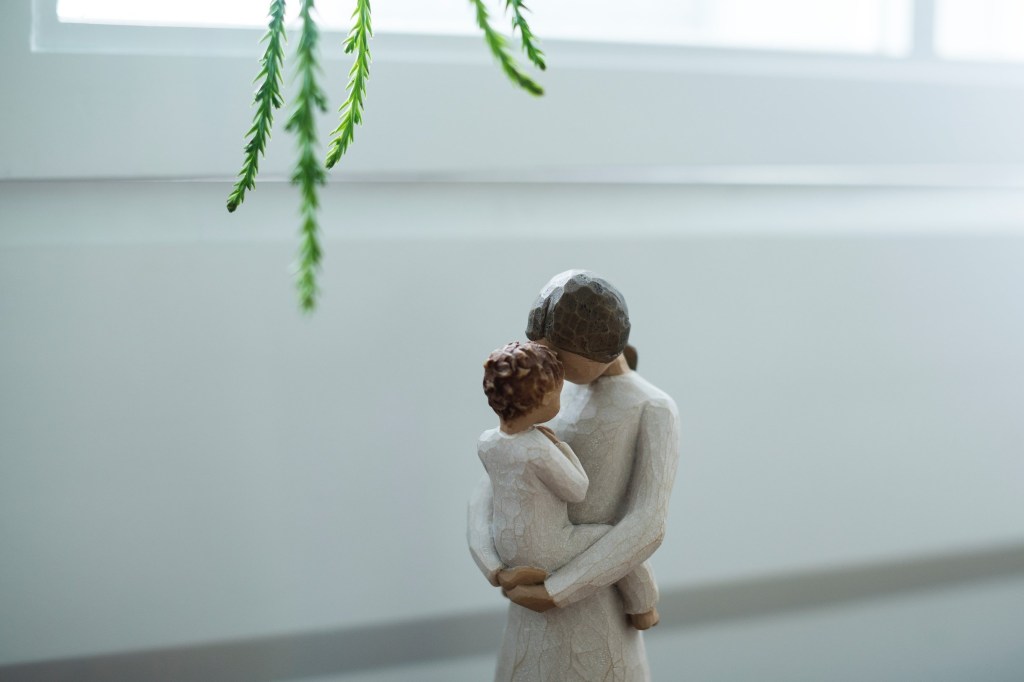
    The fact is none of us are perfect, and neither are our mothers. We need not lose heart though as we have a motherly Father God who will never abandon us or forsake us.  His love is perfect and everlasting.  In Him we can find shelter and encouragement in His care. In Him we can find healing, forgiveness and nurturing love.  

    I love the imagery in the Bible of a God who is like a mother hen gathering the chicks under his wing. Those wings are a nurturing refuge; a place of warmth and security.  The Psalmist knew that too.  He spoke of the unfailing love of God and the refuge in the shadow of His wings (Psalm 36:7). He spoke of God’s faithfulness and covering with feathers (Psalm 91:4).  He spoke of God’s mercy and refuge in the shadow of the His wings until disaster passed (Psalm 57:1). And he spoke of his desire that God keep him the apple of his eye while hiding him in the shadow of His wings (Psalm 17:8). 

    If you struggle on Mother’s Day, please be encouraged that you are not alone.  There are others that understand your pain and there is another in whom you can take refuge.  This week may you find shelter under those ‘wings’, and may you know what it is like to be His. 

  • What does brave look like?

    What does brave look like?

    If I told you that we should pursue bravery and not perfection, what does this look like?  Do we have to buy armour, practice our sword skills or take up martial arts?  Must we jump out of planes or climb huge mountains just to be considered brave?  Maybe. Maybe not. 

    What if brave is doing something that makes you scared; like scared of being rejected, not liked, being criticised or even failing?  Maybe brave is being imperfect at something until you get better. Maybe brave is feeling foolish until you feel confident.  Brave is speaking up even when your voice wobbles. Brave is having and expressing your opinion knowing that not everyone agrees with. As Brene Brown says “Sometimes the bravest and the most important thing you can do is just show up.” 

    Perfectionism kills bravery.  It paralyses us and prevents us from exploring, taking risks and being adventurous.  Getting something perfect or being perfect is both an illusion and a lie.  We will never be perfect in this life. We will never be without flaws and imperfections. It is unlikely that we will get it right first time.  Aiming for perfection can paralyse us and it certainly robs us of life and living.

    When was the last time that you tried something new and pushed yourself outside of your comfort zone?  I know that the older I get the more awkward I feel in new situations.  It feels safer to work at getting perfect in whatever I already know rather than try something new as a novice. 

    My husband is working on getting his pilots license. Now that is something to be afraid of!  Falling out of the sky or crashing.  The crazy thing though is that is not what he needs to be brave about.  Being brave for him is not giving up when he cannot get his landing or take-off perfect.  It is being back at school having to study, sit exams and getting marked again.

    To me bravery is leaving the shallows and diving in.  When we stay in the shallows we are safe, we are comfortable, our hair doesn’t get messed up, we don’t get sand in our swimmers- but we don’t learn to swim there either.  Diving in means taking a risk. We might get dumped by the wave, we might get water up our noses and in our ears; but it is exhilarating and tests our limits and, in the process, we realise we are living; we are swimming and no longer paddling.  We are no longer a spectator but a participant of life. 

    I take comfort from Scripture and in a God, who says “Be strong, and courageous. Do not be afraid. Do not be discouraged for the Lord your God will be with you wherever you go.”   May you find comfort too in these words as you pursue bravery this week! 

    Bravery for you may be different for me.  What is it this week that you will brave?  Remember, baby steps are fine.  So are flying leaps. 

    “What if I fall; Oh, but my darling, what if you fly!”  – Erin Hanson

    Photo by Arthur Lugovoy on Unsplash

  • Wondering about wonder-ing…

    Wondering about wonder-ing…

    Ever felt you spend more time wondering rather than in wonder?  I do.  What ever happened to that little girl who unashamedly expressed her delight and pleasure at some of the smaller things in life? 

    I watched a young boy today playing with leaves that floated in the breeze like the blades on a helicopter rotor.  He was so caught up in the wonder of the moment that his eyes were alight and he did not care what anyone else thought.  He enthusiastically shared a leaf with me and described how they turned and floated with that same light in his eyes.  

    One of my children were like that with lizards.  He took great delight in peering into a garden hoping to catch sight of and even catching a garden skink.  His grandmother and he would spend lots of time wandering and wonder-filled in her garden.  He would get so excited to have a little skink stay on the palm of his hand long enough for him to gaze upon it with wonder. 

    As a child growing up on a farm, my siblings and I would love riding on the back of the farm utility. We would stand shoulder to shoulder with our hands gripping the bar to the rear of the cab.  We would press our faces into the breeze and open our mouths and make noises as the air rushed past.  Our long hair would blow behind us and occasionally whip around our face.  I am sure we may have even sung very loudly-and off key.  We did not care as no one was watching or could hear us.   

    A meme on social media has resonated with me on this topic. It is a picture of a young girl overflowing with enthusiasm and with a caption that reads, ‘Remember her. She is still there…inside you…waiting.  Let’s go get her!”

    A similar picture with a very excited younger girl was captioned “When your flowers start blooming.”  That’s me (and a few of my friends) when I see a rose bud opening up on one of my rose bushes.  Perhaps that younger wonder-filled version of me is in fact still there, not too far away.  Just a little less outwardly enthusiastic and more internally beserk! 

    Perhaps it was the same girl who dug her toes into the ocean’s surface as the long boat skimmed across a bay in the Philippines earlier this year.  A few of us ‘girls’ sat low on a plank seat on the side and took our shoes off, so our toes and feet would skim across the surface of the water creating ripples and a gentle shower of sea spray.  It was a time I stopped wondering and actually was present to the wonder of the moment and the sensory experience.

    We have five senses. Sight, hearing, taste, smell and touch.  For most of us, they all work-some work better than the others.  I am very visual and also spend a lot of time thinking.  That means in the here and now I do not always pay attention to sounds, to what I am tasting, what I smell and even what I am feeling under my feet, through my fingers and on my skin. 

    When I think back to my childhood moments of pure joy and wonder, I get glimpses of living in the moment and experiencing sensory play.  How long has it been since I played in mud?  What would it take I wonder, to regain some of the wonder?  What if I stopped wondering and intentionally focused on all of my senses to recapture some of the wonder? 

    Instead of a sand pit, it could be digging my toes into the sand on a beach.  Instead of play dough, it could be enjoying the sensation of kneading dough. Maybe its taking five minutes to identify the bird songs all around me or to take in the scent of that opening rose bud. Maybe I will savour every bite of my next meal instead of gulping it down.  That’s only the beginning. 

    My next wondering and pondering though is a question I have yet to answer.  As an adult, is going ‘internally beserk’ a sufficient response to wonder? Is it appropriate or even necessary to outwardly express my enthusiasm as I would have unashamedly done as a child?  What do you think?    

  • Ring out the stains of sin and ring the glory in…

    Ring out the stains of sin and ring the glory in…

    Struggling to find words to articulate how much the Easter message means to me personally, I stumbled upon this poem by Fanny Isabelle Sherrick, written at least one hundred years ago.  I hope these words extracted from her poem “Easter” bless you as much as they do me.  

    Ring out, ye bells, sweet Easter bells,

      And ring the glory in;

    Ring out the sorrow, born of earth—

      Ring out the stains of sin.

    O banners wide, that sweep the sky,

      Unfurl ye to the sun;

    And gently wave about the graves

      Of those whose lives are done.

    Let peace be in the hearts that mourn—

      Let “Rest” be in the grave;

    The Hand that swept these lives away

      Hath power alone to save.

    Ring out, ye bells, sweet Easter bells,

      And ring the glory in;

    Ring out the sorrow, born of earth—

      Ring out the stains of sin.


    photo from pixabay.com 


  • The emptiness of an empty nest

    The emptiness of an empty nest

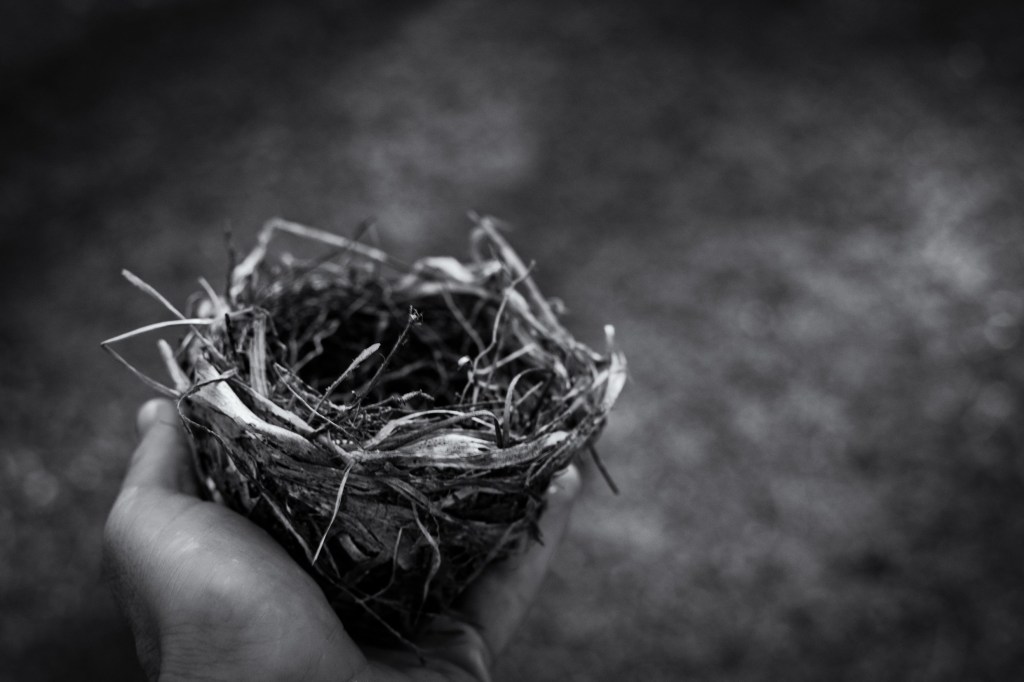
    I am an empty-nest-er and first became one seven years ago.  The nest is looking a little neglected lately and I have paused to reflect on when I dropped the ball. 

    When the baby birds first left the nest, the emptiness was hard to take. So, I busied myself filling the nest again. At first, we accepted a boarder. And then we fostered. We looked after someone else’s baby bird in our nest.  I busied myself in keeping the nest clean, feeding its lodgers and tending its surrounds.    But that season ended too. 

    For a while, this big bird worked away. This eased the absence felt in the nest but was also the beginning of the neglect.  Without a full nest, I sometimes wonder if this mamma bird’s heart has stopped beating-just a little. 

    Downsizing the nest has been considered. But with nests in our neighbourhood not selling for very much, that idea has been dismissed.  In the meantime, we are rattling around in a nest with room to spare.  I feel guilty neglecting it; especially when I see the spider’s building nests within our nest and dust collect in unused corners.  The surrounds-namely the garden has become a chore rather than a joyful upkeep. 

    This Easter weekend the baby birds are returning home to visit. One will bring a wife and the other a pet.  The foster baby bird will come to visit too.  For just a short time, this mamma bird’s heart will beat a little louder and the nest will feel like a home again. 

    I know this is a transition time.  Truth be told, I rather like not having to feed others and clean up after others.  I have become used to the space and the quiet.  I have also enjoyed the freedom to visit faraway lands for a while.  But then I return to our nest.  I still cannot shake the feeling that the essence of this space departed when the babies left. 

    I have been in this place before.  I wrote about this in “Who am I when not a mother?”  Who is this middle-aged person who stares back at me in the mirror?  Who is she now?  Who is this middle-aged man that sleeps alongside of her?  What will we do with this huge and empty nest? I think it is time to embrace what is next. Perhaps the time is now for me to fly!  

    Photo by Jerry Kiesewetter on Unsplash


  • Re-framing Old Stories and Writing New Ones

    Re-framing Old Stories and Writing New Ones

    Do you remember your first day of school?  I do. I have a flashback of a little girl standing all alone underneath the wooden stairs that led to the classrooms above.  My parents had said goodbye to me on the other side of the flooded river that cut our farm off from the local township and school.  Prior to school starting they sent me to board with another family we knew from church, who lived in town.  They reminded me that our family friend and neighbour was a teacher at the same school. She crossed the flooded river just like me, in a ‘duck’-an amphibious modified truck. 

    I was four years old when I started school. I turned five the week after.  As long as I can remember I was the ‘big girl’ of the family.  I never had much of a chance to be a baby, as my first sister was born a year later and by the time I turned four, I had another sister and a baby brother.  I accepted the mantle of being the responsible older sister and a good girl, very early in my life.  This was expected of me when I started school. 

    My sister started school the following year. The same river was flooded.  This time though, my mother rented a house in town until the floods abated.  She shared that house with another church family and neighbour.  This time four children started school; two for the first time.

    They say children are keen observers, but poor interpreters.  (Rudolph Dreikurs) I observed that the year I started school I was sent to board with almost strangers. The year my sister started school, mum rented a house with friends.  What I interpreted though was different.  I believed that I was not special enough for my family to rent a house.  I found out decades later that my parents could not afford to rent a house by themselves.  The family my mother shared with had recently arrived in town and at our church.  Their eldest two children were the same age as my sister and me.  Their second child was also starting school for the first time that year.  Combined, both families could afford to rent a house.  The story I told myself for all those years was not entirely correct. 

    I have other stories in my past that have also shaped what I believe about myself and the roles I have played.  I wonder how many other stories I have misinterpreted?    

    Standing at the threshold or maybe even having crossed it into my ‘second act’ or ‘last act’ of my life here on earth, I want my stories from hereon to be different.  I am tired of always being the responsible one and the ‘good girl’. I have overdone that role to the point of enabling and exhaustion! 

    What I have come to understand is it is not so much about making external changes and trying harder with new behaviours, but rather it is an internal shift.  It is time to re-frame some of those stories and start living out the new and truer ones; from a deep place. 

    I also belong to a far bigger story that calls me into a relationship with my Creator and Redeemer.  My identity is based on His truth about who I am and who He is calling me into being.  For someone who has taken on much more responsibility than was ever necessary, it is liberating to know that I am not walking this journey alone.  And it is time to leave some of that baggage behind as I write new stories.  

    I would love to hear from you how you have re-framed old stories and what new ones are you writing?  

  • ..after the wind blows, the flower is gone…

    ..after the wind blows, the flower is gone…

    Where did they go? The years, the people, my youth?

    The Bible says “Human life is like grass. We grow like the flower in the field. After the wind blows, the flower is gone, and there is no sign of where it was.” Psalm 103:15-16 

    Just like those flowers we are beautiful and even strong at first but that soon fades and withers.  In the field we are open to the elements; the storms of life and the harshness of the seasons.  This body as we know it is already fading and will one day give up the fight. 

    When young and especially when at school, the days, the weeks and the year seems to last forever.  Ironically, when older, those days, weeks and years seem to go in a flash. It is as if the wind has blown and the years, my youth and people that I loved have gone too.  One day I will too. 

    Francis Quarle wrote “And what’s life? A weary pilgrimage, whose glory in one day doth fill the stage with childhood, manhood, and decrepit age.” 

    Some days life does feel like a weary pilgrimage but there has to be more than existing and then dying.  The question is what to do with the life we have in spite of its brevity?  Will we languish or live?    

    I draw comfort that my life, while fleeting is a part of a bigger story; a story whose author is eternal with a redemptive plan for all mankind.   I may be forgotten quickly by others but I will not be forgotten by Him. He who created me, has a purpose and plan for my life made only possible in relationship with Him. A life made possible and redeemed through the life and work of Christ Jesus. And an eternal future with Him beyond this death. 

    And no matter how many years have passed, how harshly the winds have blown and the beauty has faded, the Bible promises that those that are right with God will flourish, be fresh and green and bear fruit in old age.  (Psalm 92)  

  • A dog with no name

    A dog with no name

    If you follow my blog you will have seen a couple of photos of the pampered pooches of our family.  Our dogs live in our house, sleep on our bed and are well fed. This includes a selection of treats.  We will drive to the beach at low tide just so our dogs can have a run and a paddle.  Much to his disgust, our little white fluffy dog has a regular grooming appointment to have his hair clipped. 

    Dogs in my family have not always been so pampered or privileged.  Growing up on a farm and in a family of six, we did not have the means or the habit to pamper our pets; even though we loved them.  Visiting a Vet was not our usual practice.  This meant that our dogs and cats were not vaccinated or desexed.  Dog food came in the shape of a ‘roo leg, which was roughly carved off a kangaroo carcass after a shooting trip; and thrown in the yard.  It was not until we moved into a less rural area that dog food came in a can. 

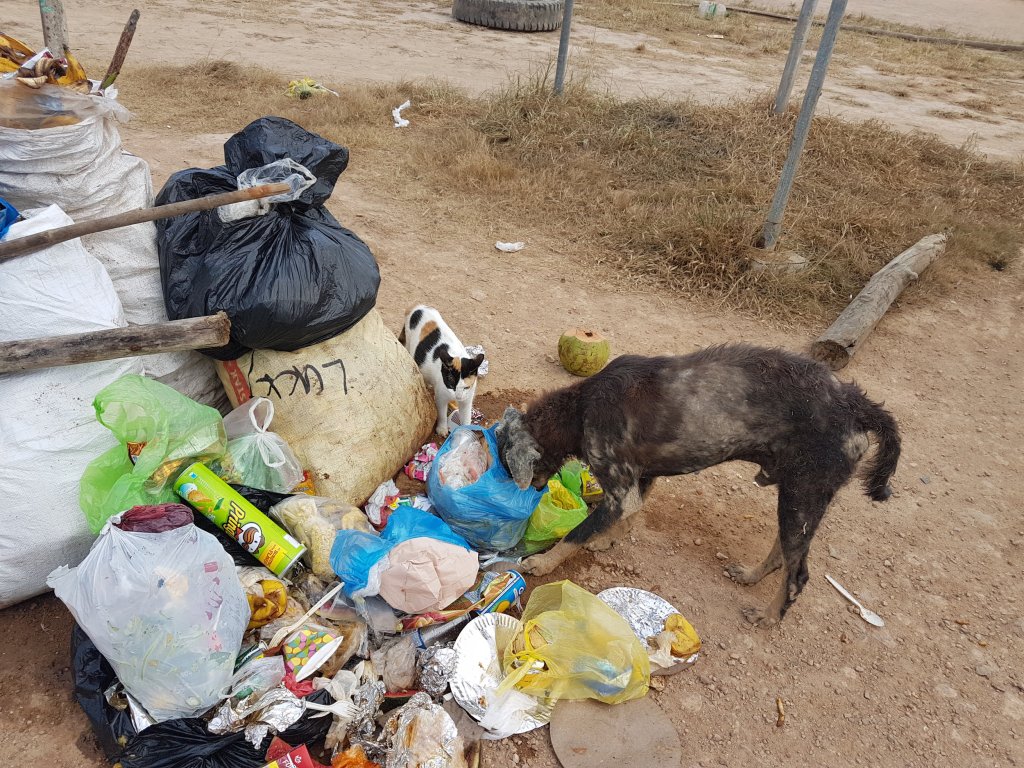
    How far removed is the life of a dog in our household to this dog?  This photo was taken in the Philippines last month. This dog is one of many streets dogs in the nation. It is thought that the Philippines have more street dogs than any other South East Asian or African country.  Some days our minivan would toot and dodge dogs that looked even worse than this. Someone suggested it would be kinder to hit that dog than let it live. We did not of course.  Other days, we would feed our scraps to some of the street dogs that hung around the site of the clinic.  That was a little tricky at times, as we sought to avoid a dog fight and a possible dog bite. I have not had my rabies vaccinations, so there is no way I want to be bitten by a dog. 

    The plight of the street dog in the Philippines-and the world has been noticed.  Instead of catching and culling these dogs, they have more humane programs to vaccinate and desex to control disease and the population.  Perhaps this programme has yet to reach the places we visited and hence so many dogs (and cats) live on the street without owners. 

    This is not the first time I have been confronted by the life of a dog that is less privileged than ours.  In some places I have visited, the dog is below a pig and a chicken when it comes to getting fed. He was not bred to be eaten as the pig and chicken were.  This is why they have to scavenge amongst the rubbish. 

    Feeding your scraps to a dog is not always the wisest either.   Years ago, while staying in a village in Vanuatu, one of our children took to feeding a particularly friendly and affectionate dog. The dog it turned out was well cared for by one of the pet lovers in the village.  When the owner found out, he explained why we should not feed his dog. As he said, not everyone else in the village was as fond of dogs as he and we were. If it entered someone else’s hut looking for food, it may well get hit with a machete in response. We did not want that to happen either.

    It is hard to know what to do when confronted by street dogs and dogs less privileged than our own.  The fact is though that many people in some of these countries are not as well fed and medically cared for as our own pets in our home country.  It is a dilemma that is not easy to reconcile or to deal with.  For the moment I will look with compassion on the street dogs I pass and hope that the few dogs we fed our scraps to are better off for that feed and not worse.  The plight of the street dog is something to ponder a little more.  


  • The importance of sharing our story

    The importance of sharing our story

    I just spent two weeks with a team of people from all over the world, volunteering like myself, on a medical mission in the Philippines.  The highlight of my time was hearing other people’s stories.  In the unhurried spaces while we were waiting, I would ask people on team to tell me their story. Occasionally I would tell mine.  Sometimes it was just the sharing of information or a summary of a life. One time in particular I felt a deep connection with another soul, as we shared vulnerably and honestly about our lives and our struggles.  In the conversation, not only did we get to know one another but we also were able to encourage one another and impart hope. 

    Dr Sherry Hamby believes there is a remarkable benefit to sharing our story and is surprised at the power of emotional, autobiographical storytelling.  Her research highlights that sharing our story can help others; writing it down or sharing our story with another helps to organise and make sense of what often seems random and unconnected; it helps us to focus on what is important and clarifies our values, and often gives us a sense of peace and hopefulness we did not have before.  The process of telling one’s story is a worthwhile exercise.  Listening to someone else’s story is just as important. 

    How long has it been since you swapped stories-genuine emotional, autobiographical storytelling?  The bible says, “…Always be prepared to give an answer to everyone who asks you to give the reason for the hope that you have.” 1 Peter 3:15b.   I am challenged by that because many of my stories are more often random and unconnected instead of organised; and I have not sifted the challenges from the highlights. 

    Over the past year the theme of ‘telling my story’ has been a reoccurring one. Sometimes I have shared a little of my story in this space.  Most times though I struggle to believe I have something worthy of sharing.  I have had some challenges and hurts that run deep and out of respect for others whose story is entangled with mine, I have often stayed silent.  I have come to recognise that there is purpose in sharing but first I must take the time to shape my stories and do the work of sifting through the ramblings.   Who knows what clarity and hope will rise from the ashes. 

    Next time I meet you I would love to hear your story.  Not an old story, but a ‘new’ one.  Maybe I will have one of my own to share.  Let us both encourage one another and share the reason for the hope we have. 

    Photo by Katie Treadway on Unsplash