Category: teacher

  • Vegemite for Breakfast, Lunch and Tea

    Vegemite for Breakfast, Lunch and Tea

    I do not think you can be a true-blue ridgy-didge Aussie until you have eaten, and enjoy vegemite. Perhaps even until you can enjoy it for breakfast, lunch and tea, as the jingle goes!

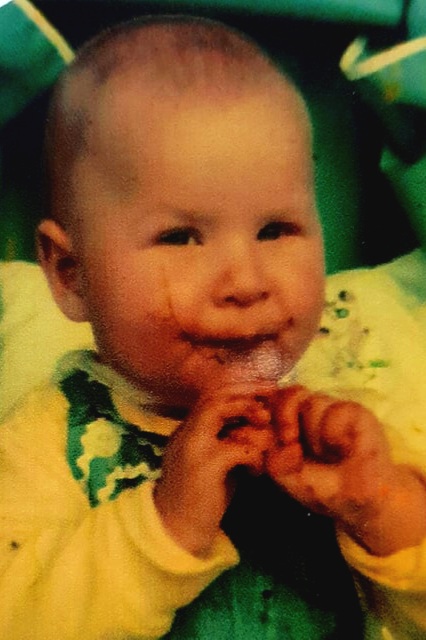
    One of the first foods I was fed was vegemite. It was stuck to a teething rusk.  Many a baby photo of mine, my siblings and even my children come with chubby cheeks smudged with the sticky black paste we call Vegemite.  Mum would sit us in our highchair on the old Queenslander’s veranda and shove a vegemite smeared teething biscuit in our pudgy hand.  I assume the veranda was strategic for both the natural breeze and the reduction in sticky finger marks to walls and other pieces of furniture. 

    A typical and staple childhood sandwich- or sanga as we called it, was white bread smeared with real butter and the black spread, roughly cut into squares and wrapped in waxed paper. It was one of my favourite sangas or maybe it was my only option, as I was passed it most mornings to put into my school bag.  It sometimes came home too and was fed to the dogs, because sometime during the day it was squashed and became warm in my school bag.

    Next to Weetbix and reconstituted powdered milk, toast and vegemite was a staple brekky food in my childhood.   In my early years toast was not that easy to make though, as it required a parent to stoke up the slow combustion stove and spear a piece of bread on a long fork and toast it over the coals.  Even when we had electricity, the electric toaster was tricky and even dangerous to use.  It was not until my teens year that we had a popup toaster and we could toast our bread without supervision.

    Vegemite goes well on crackers. It is a yummy base to cheese and or tomato.  My cracker of choice may have changed from the Sao to a rice cracker these days, but there are still days I crave the salty base of the black paste with a slice of ripe red tomato and a slab of tasty cheese.  I have even used it in a cooking class, layering vegemite with grated cheese on puff pastry to bake vegemite scrolls. 

    I reckon every family in Australia in my childhood kept a jar of Vegemite in their pantry. It has a long shelf life and is versatile. It does not spoil either when flecks of toast crumbs and streaks of butter are left in the jar or the lid is left off for some time.

    If you want a quick cup of soup, why not try a teaspoon of vegemite dissolved in a steaming cup of hot water.  I can even manage a teaspoonful by itself; although even this Aussie girl thinks that is going a bit too far.  

    The company behind vegemite has tried a few new things in recent years but as far as I can see they did not succeed.  Why mix it with plastic cheese when you can slather your own black paste on a hand sliced piece of tasty Coon?   What were they thinking when they mixed it with Cadbury chocolate?!  I, have however, appreciated the new packaging.  Many a time I have travelled overseas or sent a care package to a fellow Aussie and have praised the plastic tube that you can now buy.

    Every now and then I give Marmite and Promite a trial.  I just cannot get past the fact that they are foreign counterfeits. Maybe it is nostalgia. Maybe they all are an acquired taste.  Vegemite is my acquired taste. I still keep a jar in my pantry for when I crave it.  Actually, at last count I had two jars of the stuff.   

    Yes, I know Vegemite is now owned by an American company. But to me, it will always remain an iconic food of Australians.  And I will always be a vegemite kid; ‘a happy little vegemite’! 

  • The power of mirroring and mentoring

    The power of mirroring and mentoring

    I work with youth that have little idea what fabulous humans they are.  Some of them have really tough lives and survival is more of a priority than their self-esteem. When you ask them what their strengths are, they have very little awareness and yet they can quote what seems to be every one of their imperfections.  Why is it that they can look in the mirror and see what is wrong with them but struggle to identify what is right? 

    What if they are looking in the wrong mirror?  Who are they believing and looking to that reflects back to them their strengths and their value? What if the only people in their lives reflect back their imperfections? 

    Growing up, my grandfather and my father were two significant people who called my strengths out and believed in me.  I still remember my grandfather, or ‘poppa’ as I called him, commend me for my interest in playing the piano and painted a beautiful picture of me sitting at the piano performing one day.  (I have continued but I will forever remember his belief in me).  My father believed in me academically and both supported and commended me for my achievements at school.  I went on to attend and complete university and attribute my capacity to do that because of his belief in me; right down to the mornings he cooked me fried eggs for breakfast before an exam, ‘because they are brain food’, he said. 

    As an adult, I have one particular older lady, who while she dismissed my request to formally mentor me, still did so in her own quiet way.  She was the one who nudged me forward by recommending me and encouraging me to accept speaking engagements and positions of leadership.  She believed in me before I could believe in myself.

    To develop as humans, we need people that believe in us and can give us feedback that we are growing the right way.  Less we grow weary and give up, we need more positive feedback than negative. Positive feedback is vital to our sense of well-being as well as our growth.    

    As a teacher, when teaching a new skill, it is important that I give feedback to my students on their progress. How else will they know if they are doing it rightly or wrongly?  Why not take that further and mentor the whole person?  As a parent, I seemed to be doing that all the time in my children’s lives.   

    Last year, I paid for a mentor to help me grow in a particular area where I felt I lacked clarity and was stagnating.  She helped me to see things about myself that I did not always see and gave me a nudge to take risks I would otherwise not dare to do.   Most of what she did was mirror back to me the potential and strengths I already had. 

    As a person of faith, I know that my heavenly father is the one I should look to for my perfect reflection.  He says things like ‘you are chosen’, ‘you are loved’, ‘you are forgiven and redeemed’ and ‘you have a purpose’.  How important is it for those of us who know this, to reflect this as we champion others?

    I am grateful. I am grateful for Him and for others who have called out my potential and believed in me, when I could not. And I am also concerned. I am concerned for young people who do not have an adult to tell them what a wonderful human they are and mirror back to them their strengths and their potential.  Many days, my workload threatens to overwhelm me but I am more aware than ever that pausing to tell a young person I believe in them and call out their potential may be the most important thing I do that day. 

    As Rita Pearson says “Each child deserves a champion- an adult who will never give up on them, who understands the power of connection, and insists that they become the best that they can possibly be.” 

    Who are you championing at present? Who do you know that needs an adult to not give up on them and would benefit from you believing in them? May this week be the first week of many where we reflect back to a young person their strengths and their potential to be all they can possibly be.

    #speaker #teacher #writer

    #mentor #mentoring #mirroring #championing #champion #potential

    Photo by Erik Eastman on Unsplash

  • Perfection kills bravery

    Perfection kills bravery

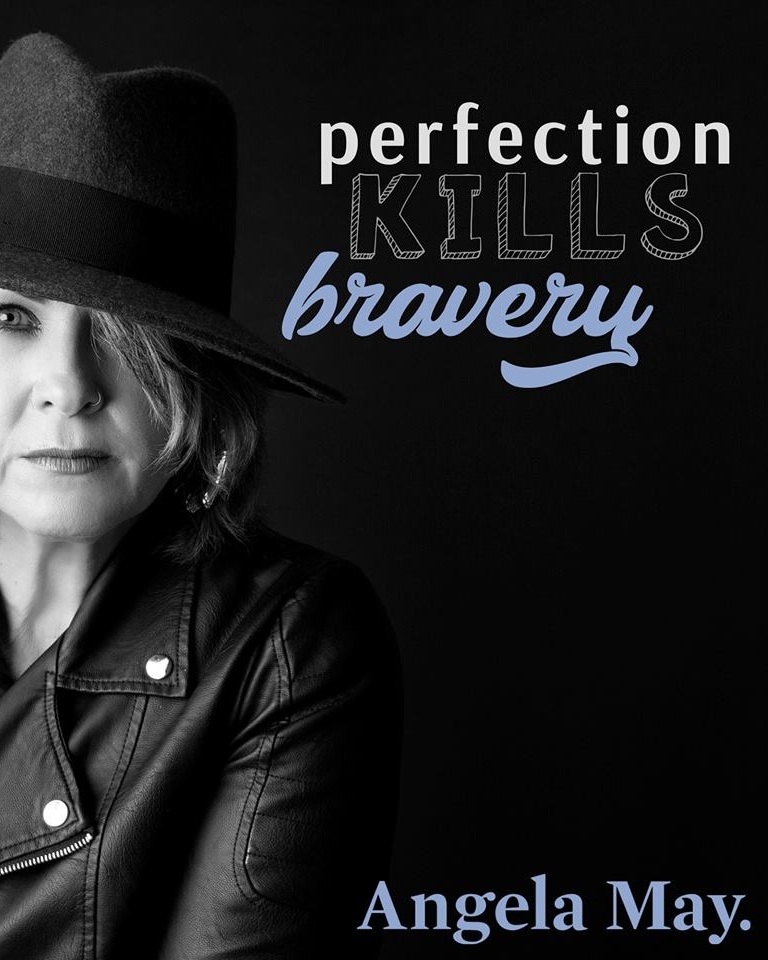
    Rashma Saujani, the founder of “Girls who Code” says-and I agree, “we must teach our girls bravery not perfection.”  In her address to Harvard’s School of Graduate Education in 2017, she said “we train girls to be perfect—to please and play it safe, to follow the rules, and to always get straight A’s. The result? Girls are kicking you-know-what in the classroom, but falling behind in the real world. Because in the real world, success is a product of bravery, not perfection.” 

    Bravery is synonymous with courage, audaciousness, boldness and fearlessness.  The problem with perfection is it is often motivated by fear of failure and anxiety; the very things that kill bravery.  When did we forget that perfection is an illusion; a myth? 

    This does not mean that we do not pursue excellence.  It does mean that we acknowledge that there is a point where enough is ‘good enough’.   As Ron Ashkenas, argues, there becomes a certain point in our efforts, that adding more effort does not produce significantly more gains.

    What then if ‘good enough’ is average.  Greg McKeown in “Today, just be average”, suggests that this is in fact a reasonable goal to counteract perfection.  He suggests that instead of being perfect try being ‘good enough’ or ‘average’ instead; “…try doing something really hard: try being average for one day.  What you might find might surprise you.”

    Being perfect not only kills bravery, but is also killing us. There is a growing concern that the idea of perfectionism might be behind a recent rise in serious mental illness, including anxiety.  Recent research affirms a significant increase in perfectionism-especially socially prescribed perfectionism (excessively high social expectations) and the concern attached to this.  Curran and Hill in their article “Perfectionism is increasing, and that’s not good news” remind us of the following truths:   failure is not weakness, there are healthier goals than perfection-such as perseverance, flexibility and diligence, and done is better than perfect.  

    I argue that a healthier goal than perfection is bravery.  My mantra last year, when I needed courage to push on ahead when I was feeling way out of my comfort zone was “pull up your big girl pants Angela”.  My favourite Scripture was-and still is “Be strong and courageous. Do not be afraid; do not be discouraged, for the LORD your God will be with you wherever you go.” (Joshua 1:9 and also Deuteronomy 31:6) 

    I know only too well that I am fighting against perfectionism, people pleasing, following the rules, being ‘nice’ and playing it safe. Being brave, being strong, being courageous for me is overcoming all these things and involves taking risks.  That is not always easy, when it involves me and my dreams.

    I have put off too many dreams and plans, because of pursuing perfection.   While I do not advocate foolishness and impetuousness, over analysing has proven paralysing. If a farmer waited for the perfect season, would he ever sow a field? If he never sowed a field, how would he ever hope to reap a crop? 

    If we want to make change in our lives, or if we want to grow, even have fun we have to risk appearing foolish and sometimes even fall on our face.  Unless we start somewhere, sometime, we will never find out what we can achieve or experience. 

    Let us not allow perfection to kill our bravery this year. Be bold, be audacious, be fearless, have courage and be strong.  Cheers to a 2019 filled with bravery! 

  • Joy and the Third Sunday of Advent

    Joy and the Third Sunday of Advent

    I find joy easier to identify in others than it is to find within myself.  I have never found it something that I could manufacture but rather something that bubbles up from within.  What if we cannot create it ourselves but instead it is a gift from God himself?

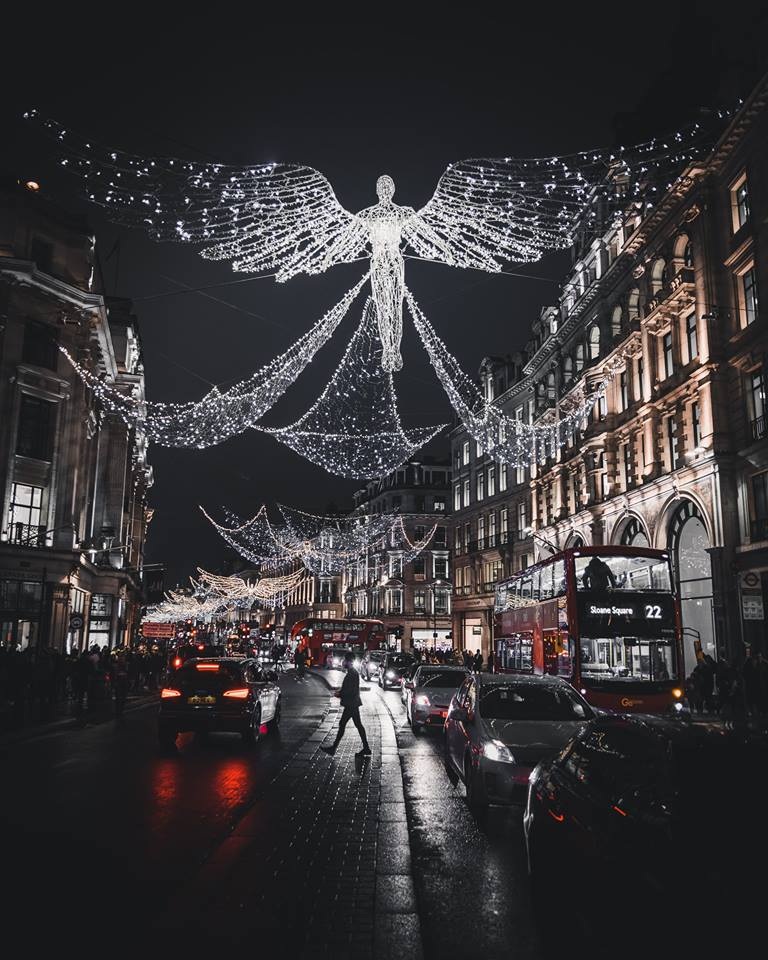
    On this third Sunday in Advent, we light the third candle-the candle of Joy. 

    When Jesus was born the angels declared that it was cause of great joy. (Luke 2:8-11)

    Joy, some say is a Christian word and a Christian thing. It is a feeling deep in the soul. 

    It is the simplest form of gratitude. (Karl Barth)

    It is not necessarily the absence of suffering but rather the presence of God. (Sam Storms)

    Have you found this joy that the angels talk about?   

    Will you light that candle with me and seek the source of that great joy; the Christ in Christmas. 

     “It is His joy that remains in us that makes our joy full.”  A.B. Simpson.

    Photo by Luke Stackpoole on unsplash.com

  • Peace and the second Sunday of Advent

    Peace and the second Sunday of Advent

    Today-Sunday, is the second Sunday of the four advent Sundays before Christmas. When we light the second candle we do so in anticipation of the coming of the Prince of Peace himself. The same Prince of Peace who came to reconcile the world to God and promised the gift of peace to his followers.

    The Christmas story tells of an angel appearing to the shepherds, announcing the birth of the baby Jesus. Immediately following the announcement, a ‘heavenly host’ proclaimed peace to all on whom God’s favour rests. (Luke 2:14) The world then yearned for peace, as much as we do today. In spite of military might or diplomacy, world peace as we desire it still does not reign.

    What if peace though is something that starts in our hearts; displacing envy, greed and hatred? What if it is not something we can achieve ourselves without divine intervention?

    What are you anticipating with the coming of Christmas? Surely you-like I, prefer peace to chaos? Where does your peace come from? Will you light a candle today and consider the Prince of Peace himself and seek the gift of peace He promises?  

    Photo by Tamara Menzi on Unsplash

  • Being Still for the Hustle

    Being Still for the Hustle

    Sometimes I think I have two opposing forces at work in me; the call to hustle or make a difference pulling me one way and a deep yearning and call to be still pulling me the other.  This time of the year the call to be still is strong as I weary with the hustle.  I am looking forward to the holidays beyond the jostle of Christmas when I can sink deep into being still.  I know that long after I’ve stepped off the treadmill of work and life, the adrenalin and cortisol will still be pumping through my system.  It will take considerable effort to put the brakes on and not keep moving when I know it’s good for me to slow down.    It is times like this that I yearn for the simplicity of a monastic community like the Christian mystics of old, living a simple life of retreat in contemplation.  Perhaps, I will settle for a ‘good’ vacation instead.  

    According to a 2011 Expedia report, Australians are the 3rd worst in the world for deprivation of vacation time and so are millennials-those born between 1981-1997; as reported in their most recent report (2017).  “Taking time off is a critical piece of living a happy, balanced life.”  As Susan Kraus Whitbourne says, in “The importance of Vacation to our Physical and Mental Health”, ‘holidays have the potential to break into the stress cycle…where we have the potential to emerge to take on the world again. ‘

    Many Australians do not take leave because work commitments make it difficult for them to plan.  Perhaps they haven’t heard Winston Churchill’s words “He who fails to plan is planning to fail.”  Without a planned vacation, how can we possibly continue to perform well in our vocation? Over half the millennials in the 2017 report, said that they shortened their trips due to impending workloads.  It would seem that the pressure to hustle overpowers the quiet call to be still. 

    My job as a teacher gives me time off whether I want it or not; afterall school is out!  It is my choice though whether I intentionally use it by being still in order to replenish body and soul or if I misuse it.  While I will be spending my time relaxing on a beach where the Wi-Fi is weak, I know I will have to be intentional to not bring the hustle with me. 

    Matt Plumber said there are three types of people who misuse their holidays. (See his article “How to actually come back from holidays feeling refreshed”; Dec 22, 2017). Some become couch potatoes, others holiday humbugs, and others ‘workaholidayics’.  The couch potato, whilst disengaging from work while ‘vegging out’ is actually neglecting other meaningful interactions that are necessary to replenish body and soul.  The holiday humbug uses the holiday season to catch up on work; essentially working all through their holiday.  Whilst this may help short term to reduce stress, it certainly does not help in the long term.  And then there is the ‘workaholidayics’ who switch lanes but not pace. Instead of hustling in their usual workplace, they rush all through their holidays from party to party, travel miles and leave no time or space to be still at all. 

    Matt says that we must be intentional and suggests setting sustainability goals for your holidays, prioritising processing time, setting goals for the next year and spending more time planning how to achieve your goals than you do setting your goals.  Last but not least, he suggests that creating and upholding holiday traditions are ways to create meaningful, productive and restful tradition to guarantee our needs are met while we are on leave. 

    It is not about hustle or being still; it is about the importance of both.  Annual holidays and the Christmas break can and should provide us with the opportunity to be still so we are replenished and focused to return to the hustle.  What are your plans for the Christmas holiday season this year?  What will you intentionally put in place so that you will start 2019 replenished and focused?  Will you join me in slowing down long enough to be still? 

    Photo by Katie Moum on Unsplash

  • Finding strength in the hard climbs

    Finding strength in the hard climbs

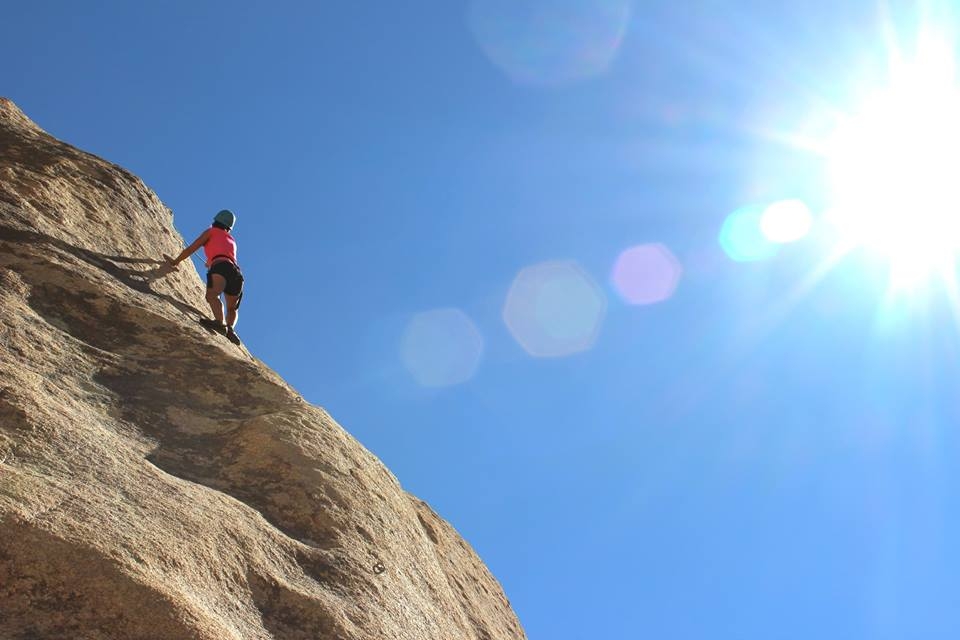
    When the year is not over yet and holidays cannot come soon enough, I wonder if this is what it feels like to be dangling on the end of a rope, with little strength to finish a climb? That’s how I have been feeling of late; well certainly last week when I sat in my car with my head on the steering wheel praying “God give me the strength” before I climbed out and started my working week.

    As a person of faith, I am amazed when it feels like I get to the end of myself and cry out to God to help me, that I then manage to find the capacity or I see a miracle. Instead of holding on for grim death, I find a burst of energy to finish the climb in front of me.

    What do you do when it feels like you can not go on any further? Who do you turn to? Or are you like me, your first instinct is to give up or find a way to get down, rather than seek the strength to go on?

    I do want to finish the climb well this year but I am feeling faint. The climb has been harder than I first imagined. I take encouragement though from the knowledge that in order to increase muscle strength, I must overload my muscle beyond what it was previously capable of doing. In fact, the body will only build muscle when it absolutely has to. In the same way, my spiritual strength will only grow when I push on. I draw courage from knowing that my connection with the divine is there to both spur me on to finish the climb as well as hold on to the rope and prevent me from falling.

    And when I finish this year’s climb, maybe I too can say “the best view comes after the hardest climb.”

    photo by Samantha Sophie on Unsplash.com

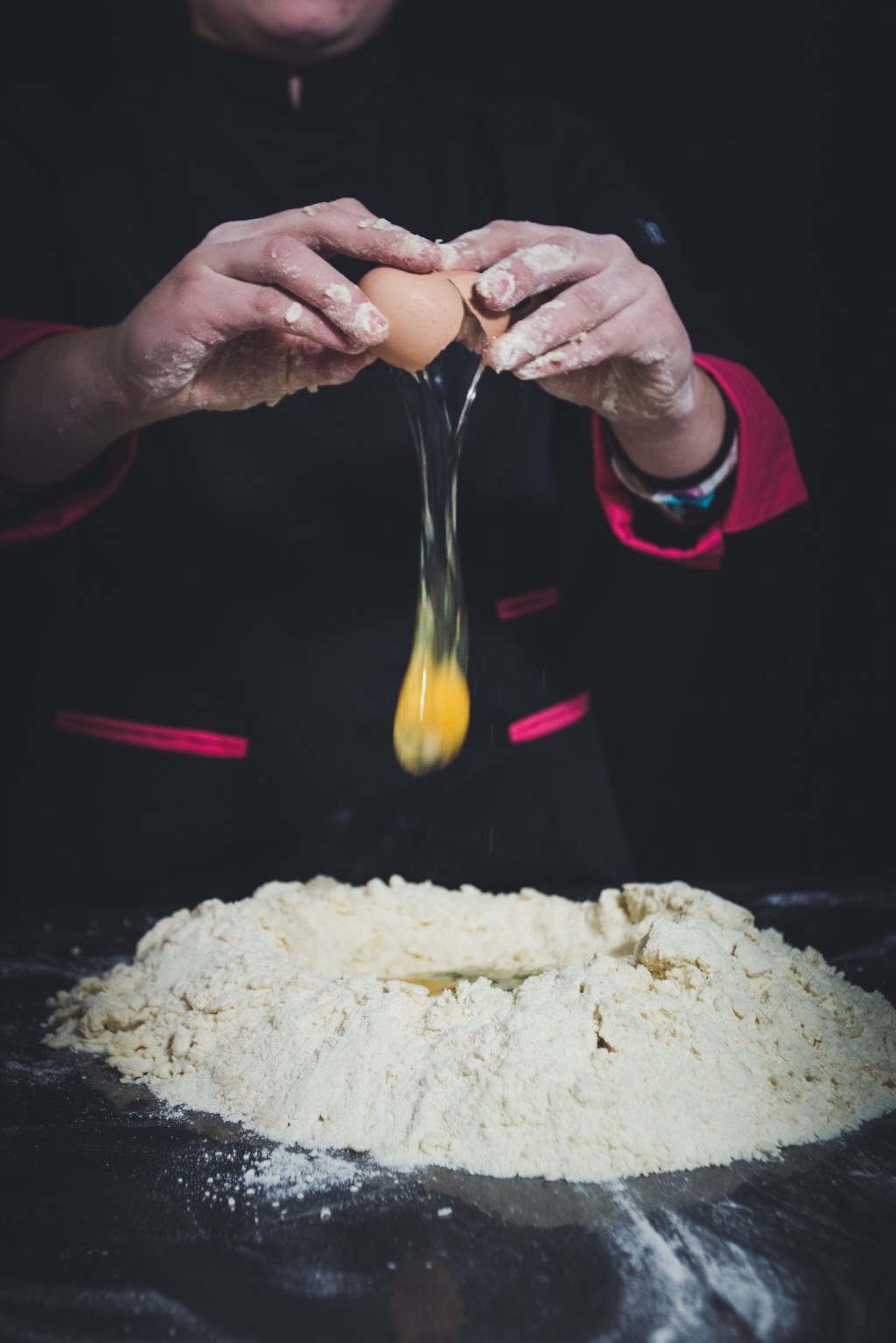
  • Cooking is good for your soul

    Cooking is good for your soul

    I have been teaching cooking to high school students on and off for the past 12 years.  Intuitively, I have understood that these lessons involved more than the students learning a few new practical life skills. This week, I discovered a body of research and discussion around cooking as therapy.  More specifically, Julie Ohana’s research and work in ‘Culinary Art Therapy’.    

    Did you know that cooking is a form of mindfulness; it provides stress relief, improves social skills, sensory awareness and can build self-esteem as well? It is also a form of nurturing, a means to create bonds of belonging, builds community and is a form of altruism.  These benefits are more than incidental to the practice of creating something to eat; they in fact are the ingredients for something therapeutic.  Can you believe that? 

    Each week, I can confirm that I have students that benefit from simply cooking.  Because cooking requires full attention and involves all five senses, it is a great activity for students with ADHD and anxiety. It is a form of mindfulness. 

    The very fact that there is something to show at the end is not to be underestimated. For some, it may be the only class that delivers tangible evidence of success and a sense of accomplishment.  Even if it is imperfect, there is always someone willing to eat what is baked. As Linda Wasmer Andrews says “Cooking is a meditation with the promise of a good meal afterwards.” 

    Better still is when it is made with love to be given away to someone they care about; often family or friends.  Sharing food with others is known to have both physical and emotional significance-and not just for the person receiving the food! 

    Cooking is also a form of nurturing and a means to create bonds of belonging and community.  In turn these are linked to increased happiness, decreased depression and greater wellbeing. Whether it is a group of students rolling sushi or pleating Chinese dumplings around a workbench or sitting down afterwards to taste each other’s cooking, there is something special about the community that develops during this process. 

    Because all our senses are involved, cooking and food is also associated with memories which can link us to people in our pasts too.  It transcends even the present for making connections.  I have had a number of conversations with students, who like me, associate baking with positive memories of absent loved ones.  For some of us, it is almost a form of grief therapy.  “Cooking can help someone process those memories in a positive way and be able to allow the ability to cope with the loss, process it and move forward in a positive way.” 

    I do not usually need an excuse to cook; or more specifically to bake.  After reading up on “Culinary Art Therapy” I am even more convinced it is good for me…and others. 

    photo by Jordane Mathieu on Unsplash.com

    Culinary Art Therapy

    Why Cooking Is Therapeutic & Makes You Feel Like Everything’s OK, According To Science

    Kitchen Therapy: Cooking Up Mental Well-Being

    How Something Called ‘Culinary Arts Therapy’ Can Change Your Life

    Psychologists Explain The Benefits Of Baking For Other People

    How Cooking Can Benefit Your Mental Health

    Healing That Uses Therapeutic Culinary Arts

  • Kicking the Busyness Addiction

    Kicking the Busyness Addiction

    This past week I have been on holidays.  Actually, for the first part of it, I wondered if I hadn’t just swapped addresses only.  Instead of being at work, I was at home; but still operating with a ‘to do’ list and a rigorous pace.  It was as if I could not stop being busy.  I began questioning myself “Am I addicted to busy”? 

    I admit I find it rewarding to have ticked things off of my ‘to do list’.  If my brain rewards me with dopamine when I complete a task, then I can think of worse things to do for this good feeling hormone!  Perhaps I should worry though when I cannot stop. 

    U.K Psychologist Jaimie Bloch, says a sure way to know if you’re addicted to busyness includes packing your schedule to the brim, panic at the thought of an activity free day, you can’t stop checking your emails and phone when you’re out and you feel the need to constantly be productive.  She says that busyness is often our way of avoiding our emotions and thoughts and busyness is often seen as a status symbol. 

    We even ‘humblebrag’ about it, Michael McKeown says.  Busyness is code for us being successful and important.   In his article “Why we humblebrag about being busy”, McKeown says we are in a cultural bubble which is caused by an unholy alliance between three powerful trends: smart phones, social media and extreme consumerism. He said the antidote to it is the pursuit of less. If we don’t then, one day, we will wake up to the fact that our overstuffed lives are as empty as the real estate bubbles’ waste of foreclosed homes!

    How do we pursue less then in our overstuffed and busy lives? We have to be still long enough to allow those thoughts and emotions we are escaping to catch up with us and deal with them.  During this process of being still some of us may just remember to breathe deeply again.  And while we do that we may also consider exactly what our priorities are and what we must now say no to.  Afterall, who wants to get to their deathbed and think ‘what a bunch of useless and insignificant things I filled my life with.’  We may also have to talk ourselves through those feelings of being unproductive, of missing out, boredom and whatever else we are trying to outrun.  For some of us, this is going to feel like a detox. 

    How do you slay busyness in your life?  In spite of my busy start to the holidays I think I have improved over the years.  I have stopped believing multi-tasking is good for me or even good at all.  I much prefer doing one thing at a time and enjoying it.  I still have ‘to do’ lists, though not as long nor so urgent.  I refuse to operate as a machine and prefer to do meaningful work; work that I have identified as important and important for this season of my life.   And I schedule time off.  There is nothing more therapeutic than hanging out in nature; going for a walk, a swim or just sitting and watching the world go by, taking in the smells, the sounds and the sights.   

    And that is how I finished my holidays; a weekend by pool and overlooking the beach-kicking my addiction. 

  • If your heart was a food, what would it be?

    If your heart was a food, what would it be?

    If my heart was a food it would be a chocolate cake covered in a thick chocolate cream. It would be rich, sweet and a little warm just like the memories I have tucked away there. 

    My first memory of chocolate cake involves my grandmother in our old farmhouse’s kitchen. I would have been no more than seven. It was a one bowl recipe where everything was added into the bowl and mixed up with my mother’s Sunbeam mix master.  We baked it in the wood-fired slow combustion stove in the alcove and ate it together at the kitchen table in the centre of the chequered linoleum floor.

    I would have to agree with psychologist Susan Whitbourne who says,  “Food memories feel so nostalgic because there’s all this context of when you were preparing or eating this food, so the food becomes almost symbolic of other meaning.”

    Food memories are also powerful and more sensory than other memories. Psychologists say this is because they are shaped by all of our senses.  They are also shaped by the company, the situation and the emotions involved.

    Food memories work both ways. I still struggle to eat corn relish as I associate this food with the stomach flu that coincided with eating a belly full of it.  I can still remember where I tasted it first and also remember the room where I threw it up!

    Decades have passed since I made my first chocolate cake.  My passion for baking has not waned. In fact, the more stressful I find life, the more you will find me in the kitchen baking.  I have moved on from a one bowl recipe (although I still have that one) to my favourite chocolate cake which is now a flourless one, which requires all sorts of complex processes and finished with a rich chocolate ganache.  One of my biggest joys is working alongside a young person and teaching them how to bake too; just like my grandmother did all those years ago. 

    Food means so much more than what we cook and what we eat. What memories does food evoke for you?  What memories are you creating?  If your heart was a food, what would it be? 

    Photo by Jasmine Waheed on Unsplash