Category: writer

  • Final Goodbyes.

    Final Goodbyes.

    I avoided funerals as a young person, for no other reason than a sense of inadequacy around communicating sympathy.  I would like to think that I have grown up a little bit, even if I still struggle to adequately express myself to those closest to the deceased.  Not one to excel at small talk, I would rather serve the tea and coffee, or deliver the eulogy.  Again, I like to think I have matured some, and overcome my own discomfort for the sake of others.   I have also come to appreciate the importance of ritual and traditions, and saying final goodbyes.

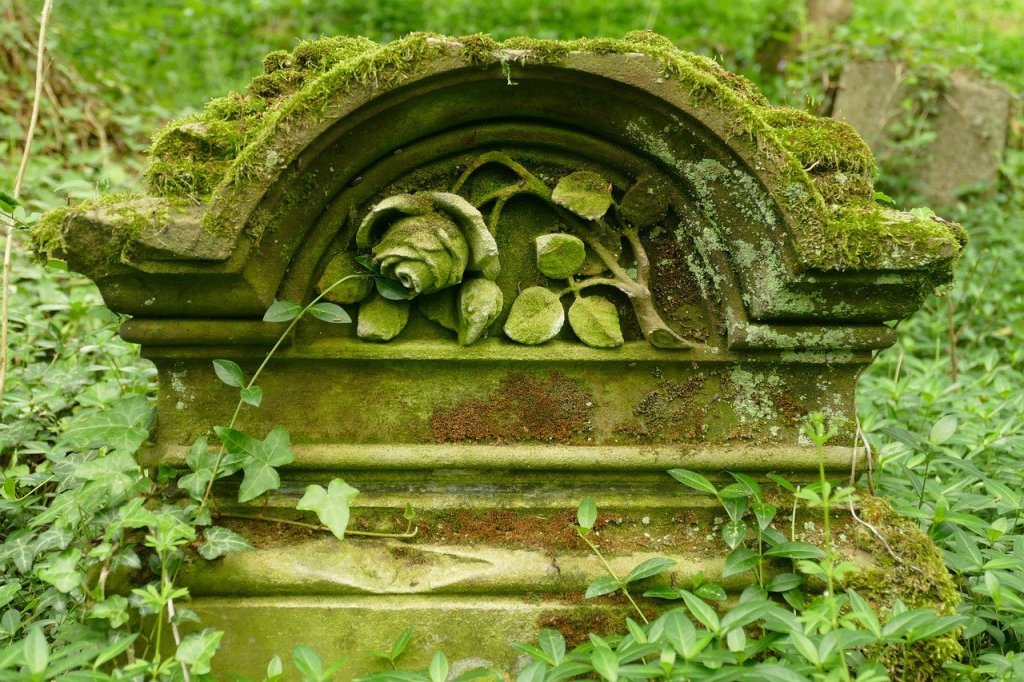
    I have sat through some long funeral services, and one less than half an hour.  I missed others during Covid lockdowns, but was able to watch online.  In the last three months, I have attended three funerals in person, and am thankful that I was able to be a part of the rituals and traditions that acknowledged the life – and the death, of someone I knew and loved.

    Except for Covid limitations, I have never been denied attendance at a funeral.  Have you? As I have discovered, not everyone has a funeral service, and some are ‘family only’.  How would you feel if you never got to say goodbye to someone before they died, and then was denied access to their funeral?  What if there was no funeral at all?  No graveside to visit nor plaque on a wall. Nothing at all, to mark the life and the death of the person gone. How then do people grieve or remember, if there is no event or place for final goodbyes?

    Studying pastoral care at Bible College, I had the privilege of a closeup look at a crematorium, a funeral home, and a mortuary. One thing that stood out to me from each of these locations, was the intentional cues and rituals designed to facilitate grief and closure.  For example, at the crematorium there was a little button on the podium, that could be pressed at a significant moment in the service, thus closing a curtain behind the coffin as it disappears for cremation.  It was explained to us that this was just one of several cues or rituals that helped people move along the grief process, as they say a final goodbye to a loved one. 

    I understand that we live in a culture that often shuns religious ceremonies and traditions, including funerals held in a church.  Instead I have seen celebrants officiate and services held in a chapel, often adjacent to a crematorium or a funeral home.  I have seen fewer people buried in graveyards and less ashes placed under a plaque; and instead, are scattered at some later date, in a place special to the deceased, and their loved ones. 

    It is written in some places that surely the funeral, or the lack of, is the right of the deceased and their close relatives.  After all, a funeral can cost quite a bit of money and the deceased might have requested no fuss. Why not skip the gathering and avoid difficult conversations altogether, and exclude people who haven’t been around the deceased in decades?  But, what about those who don’t get to say their final goodbyes and struggle to relinquish their grief, all because of this lack of tradition?  Why must they find ways to grieve alone, when for centuries our community’s cultural rituals, in funerals, were presumed and known? 

    Each funeral I attended recently was as different as the deceased person themselves.   Two funeral services were held in a church and the other in the chapel beside the crematorium.  One was followed by a large wake, another by a potluck lunch, and the other with refreshments over a cuppa.  Each service acknowledged the person’s life and legacy. Guests came from far and wide to support the family, pay their respects and to mourn the loss of the dead. In each case, I appreciated personally as well as for others, that this communal gathering provided various intentional rituals, that offered closure and the opportunity to grieve.  I also found that by reconnecting with some people we had not seen in decades, we were incredibly comforted, as well as nostalgic, and has resulted in reignited old friendships. 

    My friend who couldn’t understand her exclusion from a private funeral, will have to find her own way to bring closure and acquit her grief.  If this trend continues, we too might have to find ways in the future to process our grief and loss in private or independent ways, without the communal rites and traditions we take for granted.   Writing a letter, planting a tree, or holding a private memorial are all excellent ways to process grief; but they remain individual. They also miss out on so much more; more that a good old-fashioned funeral provides. 

    What you think? Just how important are communal rituals and traditions for saying final goodbyes? 

    “Grief is the price we pay for love” – Colin Murray Parkes
  • Looking for glimmers in the wild

    Looking for glimmers in the wild

    I have been absent for quite a while.  Last time I poked my head up, I was bragging about playing.  Where has that person gone?  I suspect the thieves who came are named responsibility and duty.  They shout at me most days, and shoo me into a little patch in the corner of my life’s garden where they insist, ‘keep tending that, and don’t venture beyond!’ That little patch in the corner is perfectly managed in rows. A single weed would not dare grow.

    I have been here before.  I have looked out over my inner world’s garden.  It’s much bigger than that plot in the corner, and it is more like the wilds. Somewhere in there is whimsy, play, creativity, and beauty, overgrown with weeds, and curiosity is hiding.  Responsibility and duty insist I stay in the corner, believing this is the only bit of garden that I have been given, and that is all I am to know. 

    Sometimes, like today, I dare to rest on a pile in another corner of my garden. I notice this is where many of my dreams were planted- some prematurely so that they never bloomed.  I spy creativity, poking its head out; and I notice it still has beauty and potential.  There’s a piece in the middle, recently tended too.  It wasn’t so long ago that it was watered, and I see a few rows have sprouted and scrambled.

    I see play and laughter are there, but they are dormant and marred.  I remember now. Anxiety snuck into my garden and covered them up.  But there are still signs of life – a glimmer.  The sun has still to set.  I just cannot expect them to erupt with vigor, without some tenderness on the side.  

    I lost my ability to feel joy in this constant state of drivenness and obsessively managed rows. I also lost my ability to experience blessings when they arose. 

    Today, I am more determined than ever to place a chair in the middle and look for glimmers. Maybe I will watch the flowers leaning towards the sun. Perhaps, I will lean into puppy kisses and cuddles from little ones I love. All the while, I feel I am digging a little deeper into the loam of God’s goodness and love. 

    And tomorrow. I will remember to venture again beyond that little corner, and start searching for lost treasures in the secret places of my inner garden.  I want to catch a few more glimmers in the wild.

    How does your inner garden grow? 

    Image by Paul Brennan from Pixabay

  • Knowing how to play

    Knowing how to play

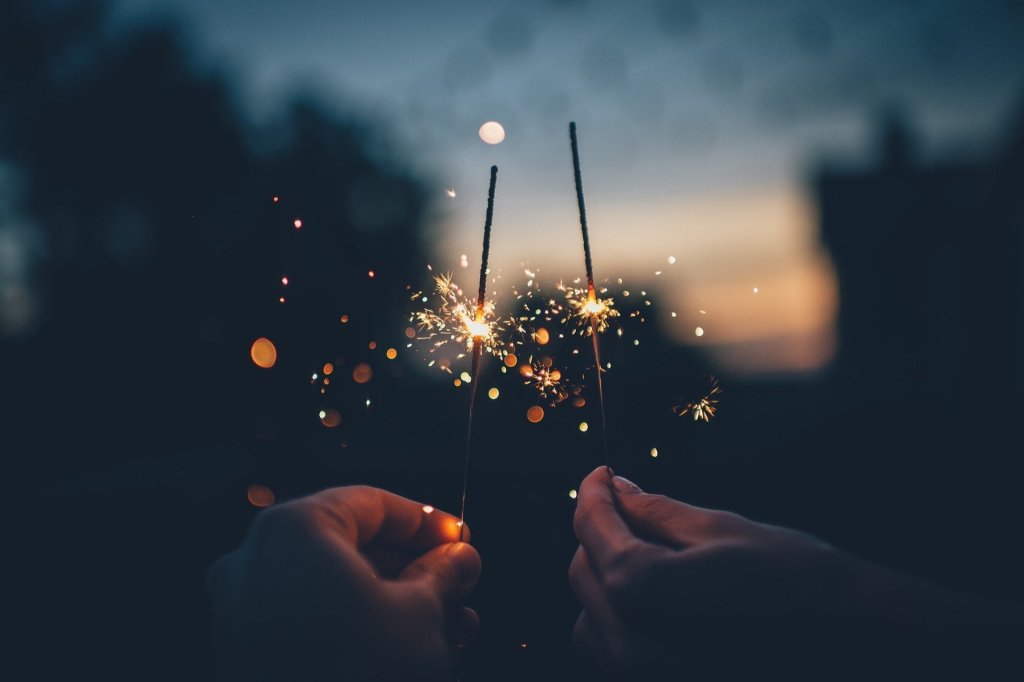
    Imagine being gifted boxes and boxes of firecrackers, and told you are free to light them to explode.  This was my story, along with a few others, just a little while ago. The first cracker was little, and held hesitantly. The impact a fizzle; and, at best a pop.  The next one was bigger, and more brazen, with a flash and a bang, to finish off.  Before long, we were like little children; placing, lighting and fleeing before they exploded behind. Standing back, we marveled at the light show, and the halo of colors ascending into the sky.  I still can not decide if I had more fun lighting them, or standing back and watching them rise. Was I remembering my childhood, or was this adult playing, the first time in a long while?  

    The adult in me cringed at the sheer scale of frivolity, but the kid in me couldn’t care less. The adult was nervous of damage, the kid didn’t care if there was a mess.  This grown up wouldn’t have spent the money, but this kid was glad for the gift. 

    To be honest, this was the first time I have ever lit up a firecracker. Made possible by an invitation, to a once-a-year event.  Thankyou to my family, and Darwin, for celebrating this event. Territory Day, I thank you, it was a time well spent. 

    …and a deeper lesson about play.  When did I lose my way? 

    Brene Brown – I love her, says wholehearted people – she means adults, know how to play. It’s okay to spend time on things that seem frivolous, because at the end the day, play is at the core of creativity and innovation. She says, “Play—doing things just because they’re fun and not because they’ll help achieve a goal—is vital to human development.”

    In part, I lost my way a long time ago, when I prematurely became an adult. This is compounded by a belief that everything I do needs a result.  Heck, I grappled with this just today, when someone asked me, what goals have I achieved thus far, this year.  There are some things that are just brilliant for the soul, but are difficult to measure.  Play is one of those things for those of us who take adulting too serious, that often feels like a waste of time.  Kristen Wong encourages, “Play offers a reprieve from the chaos, and it challenges us to connect with a key part of ourselves that gets lost in the responsibilities of adulthood, especially during a crisis.”

    When was the last time you played?  What indeed would you consider play?  I remember as a child, play was riding my bike, swimming for hours, and every now and then, lying on my back in the grass watching the clouds.  Sometimes it involved mud, other times flour, and never did it involve counting the hours.  If you are like me, you need to revisit play, and add some fun to your stuffy and boring ways.  And don’t add this to your list of things to be done.  Just do something for fun! 

    To my friends, and family who have not forgotten how to play, I thank you for your patience and invitation to participate in this way.  As Ralph Waldo Emerson says, “It is a happy talent to know how to play.”

  • Responsibilities – like barnacles to a boat

    Responsibilities – like barnacles to a boat

    I resonate with Donald. S. Whitney, “The older you get, the more you tend to accumulate responsibilities like barnacles.”

    Just when I think I am moving through the waters of 2022 smoothly, one morning I wake up and it starts to feel like hard work. Hauling myself out of the metaphorical water, I realise that a collection of small and large responsibilities is contributing to this drag.  How did I collect so many, I wonder?  How did I take on so many responsibilities?  And why me?

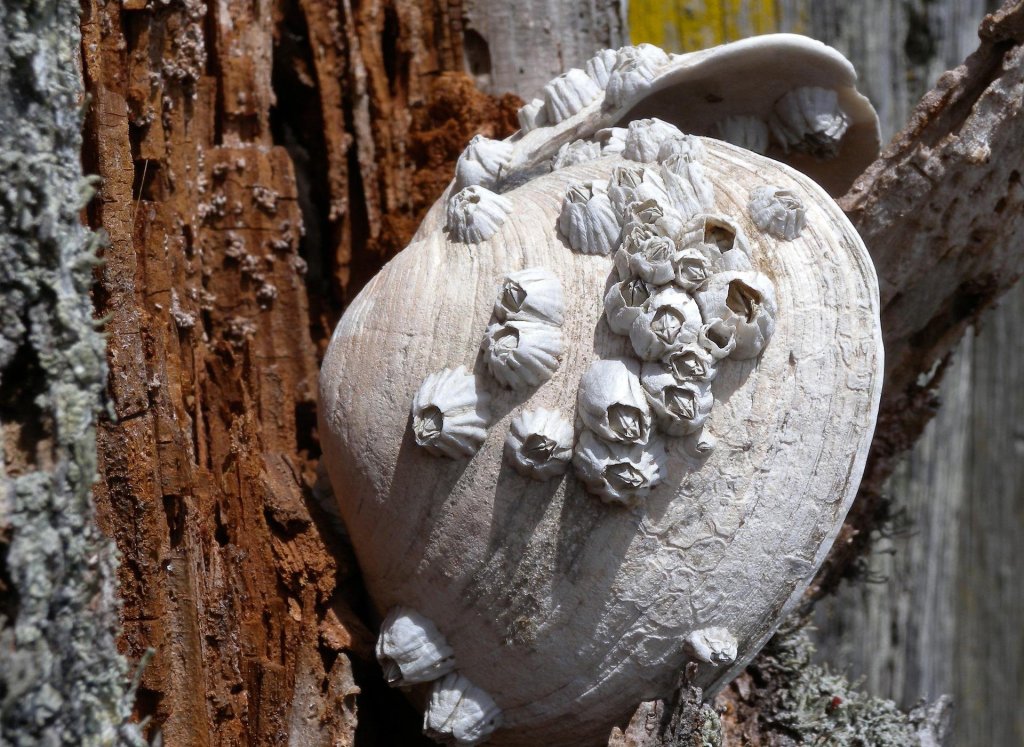
    I’m told, that all boats that are moored in the water need to come out from time to time to have the barnacles scraped off. Barnacles happen.  These sticky little crustaceans love boats because they are so solid and strong, with surfaces easy to stick to.  And the ocean is full of barnacles looking for a host to cling to.  To save the boat’s paint job, the best way to remove barnacles is one by one with a putty knife.   

    And so, like barnacles, additional responsibilities seem to have attached themselves to me, increasing the drag and my inefficiency.  I don’t want to cover myself in antifoul, so nothing at all becomes my responsibility.  But I do need to be mindful of removing any unnecessary responsibilities when they are small, and not-so-stubborn to pry free.  Much easier to remove a lone barnacle than a whole colony. 

    I acknowledge that over responsibility is an issue of mine. Being dependable and solid is a good thing. But it is possible to go too far. Before long I become overwhelmed with obligations and lose my ability to do anything well at all. Perhaps, I will never stop the accumulation of responsibilities, but the lesson here, is to be diligent in removing unnecessary duties when they are small.

    This is my mood, as the middle of the year looms. When will I learn I am human, and there are limits to what I can achieve anymore?  Taking stock of what’s mine and what belongs to another, is a start.  Experts say for those of us that are over responsible, it’s time to do something just for fun, and ignore the to-do list for a moment more. 

    But, how can I do that, when I hear of war, and rumor of war on distant shores?  It is hard not to be alarmed or feel some responsibility at all. My neighbor is suffering, there are people going hungry, and families without a home.  How is any of this not mine to be responsible for? 

    Well, some of it is; but, not all!  I am reminded once again that I am but one human, and not the saviour of it all.    There is another, called Jesus, who is the Saviour of this world.  My responsibility is to listen to His voice, to be sure what is mine to be responsible for, what belongs to others, and that which I can leave with Him.  Perhaps, I can also ask for help to remove some of those barnacles I have collected on the way.    

  • Eyeballing skeletons in the family closet

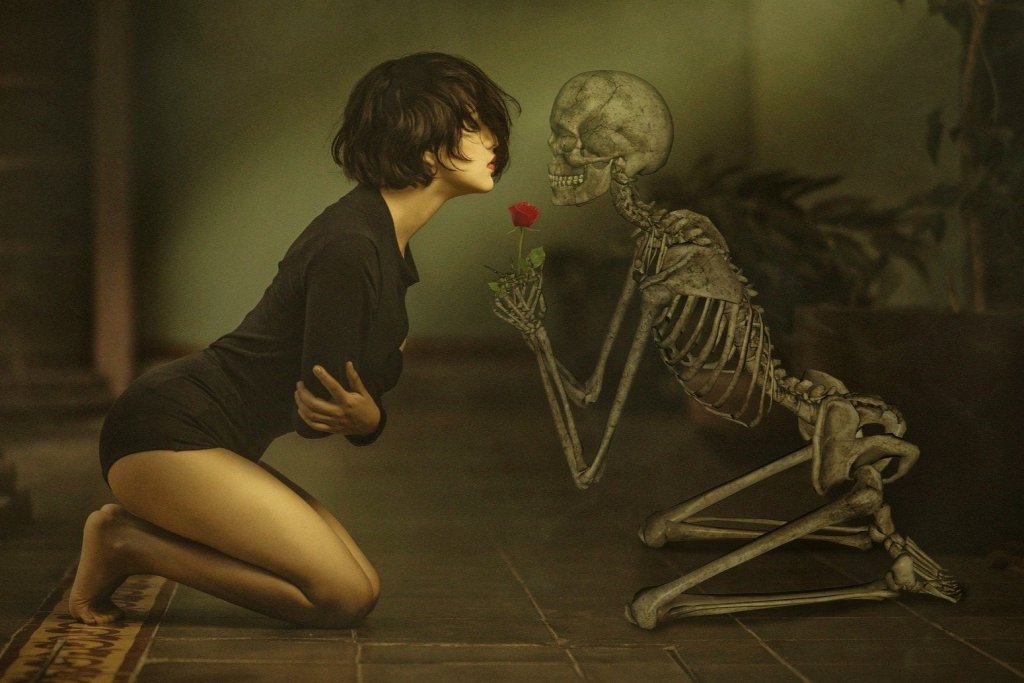
    Eyeballing skeletons in the family closet

    ‘The tide that carries us farther and farther away from our beginning in times is also the tide that turns and carries us back again” – Buechner.

    Be warned, I was told.  There may be too many skeletons in that family’s closet.  Stories of womanizing and molestation have been whispered for years.  Lots of shame and pain in this dusty old cupboard. And it all started with one man, my great grandfather, who left foreign lands, to come to Australia. His migration is not so ancient at all, but a mystery.  And, I want to know from where and why, did he come? 

    Last month, I opened the well aired cupboards of my father’s ancestors.  I can trace back his forefathers, to their Australian arrival in the 1800s.  This much was easy. Someone else has brought theirs stories to light. Their families came from a village in Prussia, now located within the borders of modern-day Poland.  They were among a wave of migrants to sail to South Australia in the mid-1800s. They were German, but not actually from Germany. Their steadfast faith in God, and their determination for religious freedom, meant whole families sold up, to flee both Prussia and persecution.   Migration allowed these Old Lutherans to worship freely on the foreign soil of Australia.

    But I am more than my father’s daughter. I am also my mother’s.  And it is in one of my mother’s family closet that dwells a few dusty, old skeletons.   She had started to look but did not finish the work. She died a premature death. One, I attribute to the trauma of unhealed sins hidden in one of those closets.  I found photos, and some photocopied notes.  And remembered stories about different times. Stories about relatives I never met.  Some of them not very nice at all.

    In a bid to fill in the gaps, I signed up for one particular, online ancestry database.  I am among ninety-eight million people in the world, who have done the same.  Why, all of a sudden, am I so curious about my family tree?  Is it because I am closer to my death date, than my birth. Perhaps it is as Frederick Buechner says, the older we grow, the more we find ourselves returning to the days when we were young. And for me, it is returning to those stories I heard around cups of tea, at my grandfather’s knee.

    It turns out this skeleton is also German. But, may be not as noble as the others.  Many questions remain unanswered. And, I am more curious than ever. I am full of questions about the shadows and bones in this particular closet.  Questions like, why did my great grandfather migrate to Australia? Was it to avoid military service in his motherland of Germany?  Like so many of the young men of his time, was he too at odds with the increasing militarization of their country.  Or was it opportunity, and a free passage paid by the government of Queensland? Did he leave behind parents and siblings too? What did they think about him leaving them? Great Granddaddy, how did you handle being vilified by your neighbours, only a decade later, when the Germans became Australia’s enemy?  If the dates are true, then you also carried the shame of fathering your first child before you said your marriage vows to Great Grandma. Did you love her?  And why, oh why, did some of your sons turn out that way? 

    My pop was born into this family.  I don’t remember him being anything like his brothers were purported to be.  Perhaps he did have a little charming rogue in him, as they most certainly did.  But then his world was turned upside down by the disease of Diabetes type one, diagnosed in his twenties.  He would have been a child of a German, during World War One. And a husband and father with a German name during World War Two.  He faced the prejudice of both ethnicity and disability, as well as the challenges of the Great Depression.   Work for Pop I heard, was hard to find, and even harder to hold down; especially when a diabetic coma threatened regularly.  He found work in pineapple farms and cutting timber; none of which where permanent careers.  He and my Nan relied on the generosity of family, and often sought accommodation on family land. 

    I only knew my pop, as a tottering elder living with our family.  In some places his teeth were jagged; in others none. He sipped tea with me, and preferred his biscuits, first dunked, and mushy done.  I remember him with flyway white hair, and falling pants hitched up with a piece of bailing twine.  He often had a twinkle in his eye, and up for a yarn. Charming is how I remember him. But truly, only eyes for his Rita, my Nan…and me too, when I came for tea. 

    He didn’t talk all that much about the other brothers.  They made my Nan uncomfortable, and one brought shame and suffering to my mother.  Do I really want to go there, and dig up their stories?  When, other closets are swept clean, with fewer skeletons.

    What good does it do, to go rummaging through the past, and search dark places for the broken pieces and secrets. Will it help bringing them into the light? Will it help telling their stories?  Tread carefully, I hear.  For now, I shed tears vicariously, for lost hopes and lost lives, all due to the complex migration history of one man, who’s DNA I carry.  What do I do with this tide that has carried me to distant stories, and skeletons long buried?  Does anyone want to hear these?  Or do I leave them to float away again, to the distant shores they came from? 


  • A sense of beautiful.

    A sense of beautiful.

    I feel a strange resistance this year; a resistance to the pursuit of acquisitions and adventures.  Instead, I feel the need to explore the motto ‘think less and feel more.’ My first quest is beauty.

    I want to behold things of beauty, and send the ugly to the shadows.  Instead of picking scabs and running my finger along the scars, I want to focus on all that is beautiful in between. 

    Beauty by definition is the very quality that brings delight and pleasure to the senses.  Beauty is more than what we see, it is also in what we hear, we taste, we touch and we smell.  It is not always that our senses are not operating. It is that we are not conscious of what they absorb.  It may not be that I need to feel more, but slow down enough to allow my senses to explore. 

    I take in a deep breath, and I smell summer. Freshly mown grass. The air heavy with pollen.  A tickling breeze that carries the smell of barbequed onions.

    I listen, and I hear noises.  Murmuring voices and a saw-mill whirring. And then silence.  But the world is not really silent.  Is that cicadas I hear?  The song of the butcherbird?

    The spices of my chai tea and the sweetness of honey lingers.  I reach for the cut watermelon in the fridge.  The bright red flesh is beautiful, just as its sweetness, that does not disappoint. 

    The day is heating up and the humidity is rising.  The tickling breeze that flutters over my bare limbs is welcomed.  It’s beautiful. 

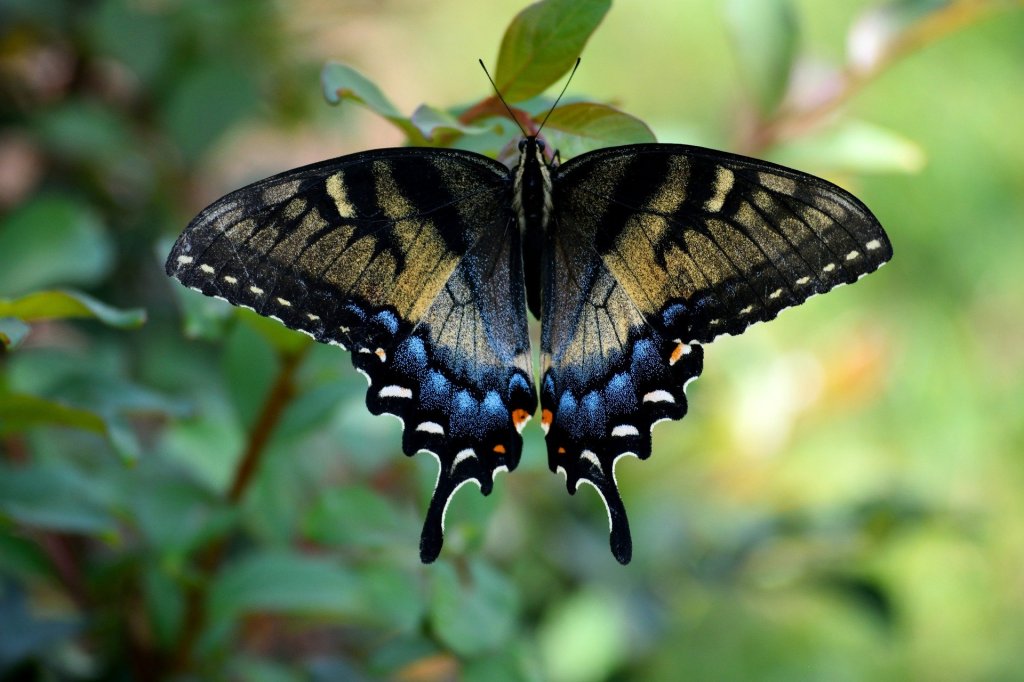
    I choose to ignore the weeds in my garden, and the grass that needs mowing again.  I spot the butterfly flitting from leaf to leaf, adding a splash of yellow to the green.  How beautiful are the red chilies; glossy and heavy on the plant.  The lime tree is laden with fruit; as always.  I marvel at how one cluster of citrus flowers, sets into a cluster of perfect fruit, growing daily until ready to eat.  Or drop into a cool, refreshing drink. 

    What is beauty to you?  Is it smooth or rough? Is it cool or warm?  Is it light or dark, or coloured?  Is it loud, is it soft?  Or a range of sounds, making music? 

    Is it a matter of perspective?  Is it subjective? I will stop there, because that is too much thinking. 

    The Bible talks about beauty from ashes. (Isaiah 61). How does beauty rise out of grief and loss?  It’s a promise that the God of the Bible has the capacity to take something so ugly and turn it into something beautiful.  I can seek beauty but I am not the creator of it. Co-creator maybe.  Let’s not overthink that either. 

    I cannot replicate the pink and blue hues of a sunset, reflected in the silver trunks of the sentinel gum trees.  If I was an artist, I might paint that, capturing the beauty of the sunset.  If I was a photographer, I might snap that too.  If I was a musician, I might record the song of a bird, or the ripple of a breeze.  No essence replaces the flavour of a ripe watermelon; but a chef can present it to eat. In a world that is presented too often as two dimensional; how do we capture the texture and its depth?  3D does little to replace the experience of being present in the world, with all our senses.  

    Will you join me in finding and restoring a sense of beautiful, implanted in our soul by the Lord.

    “A man should hear a little music, read a little poetry, and see a fine picture every day of his life, in order that worldly cares may not obliterate the sense of the beautiful which God has implanted in the human soul.” ― Johann Wolfgang von Goethe

  • Waiting to Live?

    Waiting to Live?

    When the occasional social media post tugs at something inside of me I make a note of it in my journal, and reflect on it a little further. One such post was titled ‘5 Reasons you might be waiting for your life to start’, by Elisabeth Corey. While Elisabeth’s focus is on recovery from trauma, there is some truth in this for all of us. Too often something in our past hold us back from living in the present.  Perhaps, not trauma from childhood; but, it may be something that happened last year or even yesterday that stops us truly living today. Meanwhile, we exist while we dwell on these things of the past. As Corey highlights, the problem is we wait for someone to apologise, someone to release us, someone to give us permission, for everything to be perfect or for peace to reign.  We are waiting to live.

    Of course, this doesn’t apply only to those living in the past. It can also apply to those living in the future.  We joke when I win the lotto, when I lose these surplus kilos, or find the perfect partner…then I will start living!  It’s like watching the clock for finish time and missing what is happening right now. Or, thinking about what you will say to someone else in the future and ignore the person chatting away beside you.  Crazy hey!

    Before we know it we have existed for most of our earthly lives, and never really lived it.  Sure, you were there in your body, but where was your mind or your soul, at the time?  I should know this as it required piecing together a photo collage, or album, to relive moments of my past; and realising I was present there in body only.  Where was I at the time?  No doubt wishing that something was different or better.  As the saying goes, ‘Be careful, less you wish your life away!’

    Living in the present is the mantra of modern-day mindfulness. There is growing evidence that practicing mindfulness reduces stress and anxiety; so, it is good for both body and soul. This practice involves consciously becoming aware of what is happening inside and outside of one self, without judgement.  While linked to Buddhism, mindfulness is not exclusive to this eastern religion. Nowadays, there is also a form devoid of all religion. Mindfulness, in the form of meditation and contemplation, is also found on the ancient Christian path.

    The Christian version looks a lot like, ‘Be still, and know I am God’ (Psalm 46:10). It is acknowledging that despite chaos and uncertainty, we can find a God given stillness and peace. By opening up we make space for God. In this space we have the ability to hear from Him and find the grace to obey His word.  Mindfulness is not an end in itself but a way forward. Living in the present is not to discount the past, or refuse to consider the future.  It is choosing to respond to the life that is in the here and now.

    The process of being still allows us to capture those swirling and anxious thoughts, and allow God’s mind – the mind of Christ, to bring forgiveness and truth, healing and wholeness – today.  As Richard Foster says, this is not about emptying our mind, but rather filling it.  Rather than detachment from our life, it is an attachment to God and a redirection of our lives. Of course, this is not always a comfortable space.  Keeping God at arm’s length, or leaving him out of the whole mindfulness exercise, is to live life on our own terms.   Some of us would much rather hold onto grudges, blame others for our failure to take responsibility, wait for a perfect tomorrow, or attempt to forget everything; rather than do what God is asking us to do now – living in His presence. As Richard Foster says in Celebration of Discipline, ‘the aim is to bring this living reality into all of life’.

    What if the difference between existing and living, is not emptying our minds of everything- past, present and future; but, rather filling our minds with the presence of the living God and allowing Him to transform us with His love?  Foster explains that we can do this several ways; attentiveness to God through stillness and silence, by meditating on Scripture, or by meditating on creation. It is in the ‘listening, sensing, (and) heeding the light and life of Christ’ that we find the ability to truly live our life today.  So, what are we waiting for?  Our yesterdays, nor our tomorrows, need not hold us back from living life today. We can do this with God’s help and in His presence.

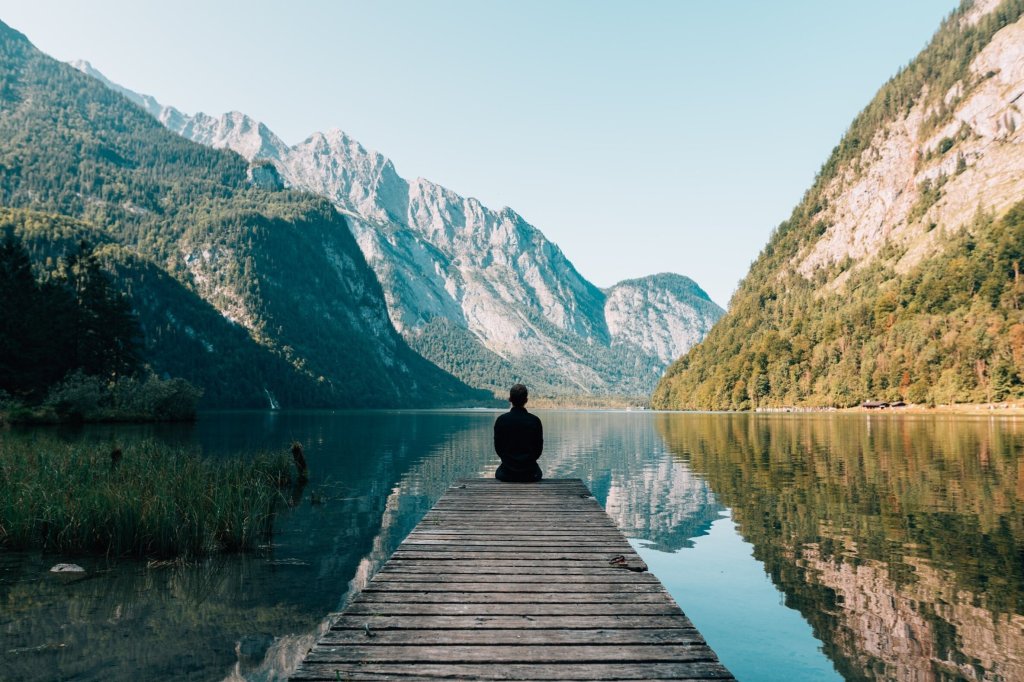
    Photo by S Migaj on Unsplash

    References:

    Corey, Elisabeth. 5 Reasons You Might be Waiting for Your Life to Start. Jun 6, 2018. https://beatingtrauma.com/2018/06/06/5-reasons-you-might-be-waiting-for-your-life-to-start/?fbclid=IwAR0Ak49X5S0nij4hlz1gkxCtdtaVndl2fWORQwDYUafxEJWpQtd3tIwq9hE

    Foster, Richard J. Celebration of Discipline: The Path to Spiritual Growth. San Francisco: Harper & Row, 1988.

  • Rowing in Circles? Stop and Look up!

    Rowing in Circles? Stop and Look up!

    Once upon a time, there was a man who rowed a boat in circles, until he stopped from exhaustion.  When he looked up and realised what he had done, he wept.  If he had looked before then he may have been able to redirect his strokes, so he could have arrived on the shore at the end of the lake – the very place he set out for in the beginning. 

    This week, I visited my doctor to discuss my general health.  I felt like that man on the lake. I go to work to pay the bills to recover my health, that I sabotaged by working hard in the first place.  Just how do I correct and redirect my strokes, to ensure I don’t end up in that exhausting loop again?  That seems to be my eternal question.   

    They say in business, one should take some time out to work on your business, instead of in it.  Instead of head down laboring away non-stop, one should look up to check one’s bearings, plotting the course ahead; and, preventing going in circles. 

    The New Year is always a good time to plot one’s course.  I’m sure the man in the boat did that also.  The question is, how often should you check on those plans, to make sure you are heading in the right direction? 

    I liken my Sundays to my Sabbath rest; a time in the week to stop work and lift up my head. I like to use this time to fix my eyes on life’s race set before me; checking my bearings and resting up, before starting the course again on Monday. I say like, because that’s my desire but not always what I do.  Unfortunately, I sometimes see Sundays as another day I have available. A day to row a little harder, to push through the hard waters, and remove a few obstacles.  The problem is, if I do that too often, I forget the importance of rest and looking up; and find myself in that same pattern of a circle.

    Experts suggest a number of answers.  It starts with clear goals, made visible, and checked every day. Once a week is important as well.  It helps to keep your goals short and simple; and helps the process stay sweet.  Big picture goals are great.  While, too many details can add to your stress. Who wants to be burnt-out or exhausted, from trying to keep up with all those goals that you set?

    And then there’s grace. As a person of faith I breath in, then out, knowing that I may have many plans, but it’s the Lord’s counsel that will stand (Proverbs 16:21). Without His overall wisdom and will, I may never break out of rowing in circles, or stop setting goals that are impossible to meet.

    Keeping to the analogy, the man in the boat thought it was all up to him.  If only he acknowledged the keeper of that lake, and the currents and that wind that could have worked with him.  Old patterns are hard to break especially for those of us that are used to doing it our way – the hard way.  Working hard is good. Rowing hard – for a while, may help.  But what good is a journey if you stop half way exhausted, and all you do is spin in circles. With God’s help, that man – and I, are pausing mid-year (well it’s nearly mid-year), to reconsider the plan, and commit it to the lake’s keeper.  How’s your year going?  Are you on track, or spinning in circles? 

     Photo by Eugenia Romanova on Unsplash

  • Thank you God for the two who call me Mother.

    Thank you God for the two who call me Mother.

    This Mother’s Day I am thankful for the two who call me mother. I have been a mother for a longer time than not; so, I don’t know what not feels like anymore. Being a mother is also a significant part of my identity; and for a long time, the largest part.  I acknowledge that not all women get to be a mother, and for this reason I am especially thankful to God, that I have the privilege of being called Mum. 

    Falling pregnant was easy for me.  Being a mother was much harder.  In fact, after the birth of baby number two, I was diagnosed with postnatal depression.  The complexities of my relationship with my own mother, and the twenty-four seven demands of mothering two infants met in the middle, and my edges started to fray.  For many years I tried to juggle it all, so I could have it all; family and career – or business, in my case.  I yelled at my little ones, and oftentimes expected more of them, and myself, than was good for them.  I wish I knew different back then.   

    Ten years into this mothering gig, I made a commitment to follow Jesus, and started to ask what that meant for me as a mother.  I realised then, that I had actually abdicated most of the raising of our children to other people.  Between childcare, school teachers, Sunday school teachers, music teachers and sport coaches, I was little more than a taxi – and an irritable one at that.  

    It was not until I found myself homeschooling our children, that I realised how much our little family had become a bunch of individuals, with little connection to each other.  One day, turning to two squabbling siblings in the back seat of our sedan, I said, ‘You two have to learn to get along’.  Until then, I relied on other people to deal with my children’s behaviours and needs, and was relieved to send my two back to school, after holidays. This was the beginning of a season, where I took on the full responsibility of mothering our children.  As difficult as some of these days were, I valued every one of them. And just when I found my rhythm, I had to let go. I had to start to delegate some of the raising of my children to others.   I look back now on those years, and thank God for the memories our little family built together; all because I trusted Him to show me how to mother. 

    I learnt to pray for my children as teenagers, and I had to learn to let go and stop smothering.  I watched with fascination as God brought into my son’s life other men, to call him out from under this mother’s wings.  Men, including his father, called him to a life of adventure and the opportunity to be a man. Letting go of my son was one of the hardest things I had to do. But, this rite of passage was wanted. 

    As a mother of a daughter, I wrestle to model a different way; to leave a different legacy, to that of my own mother’s.  As much as I loved my mother, and she loved me, our complex relationship was threaded with unhealthy dependencies, and a poor mental health legacy.  Desiring to be a good mother, with the help of God and the counseling of others, I faced and dealt with stuff.  If I was not a mother, I do not know if I would have the courage enough.   

    For a few, special years, I got to mother another – a son by another mother.  I learnt something else in this season. I learnt to love without, dare I say, owning another.  And I am also reminded, that while motherhood is not assured to all, for those that are blessed, it is a privilege and one of the biggest gifts of all.  

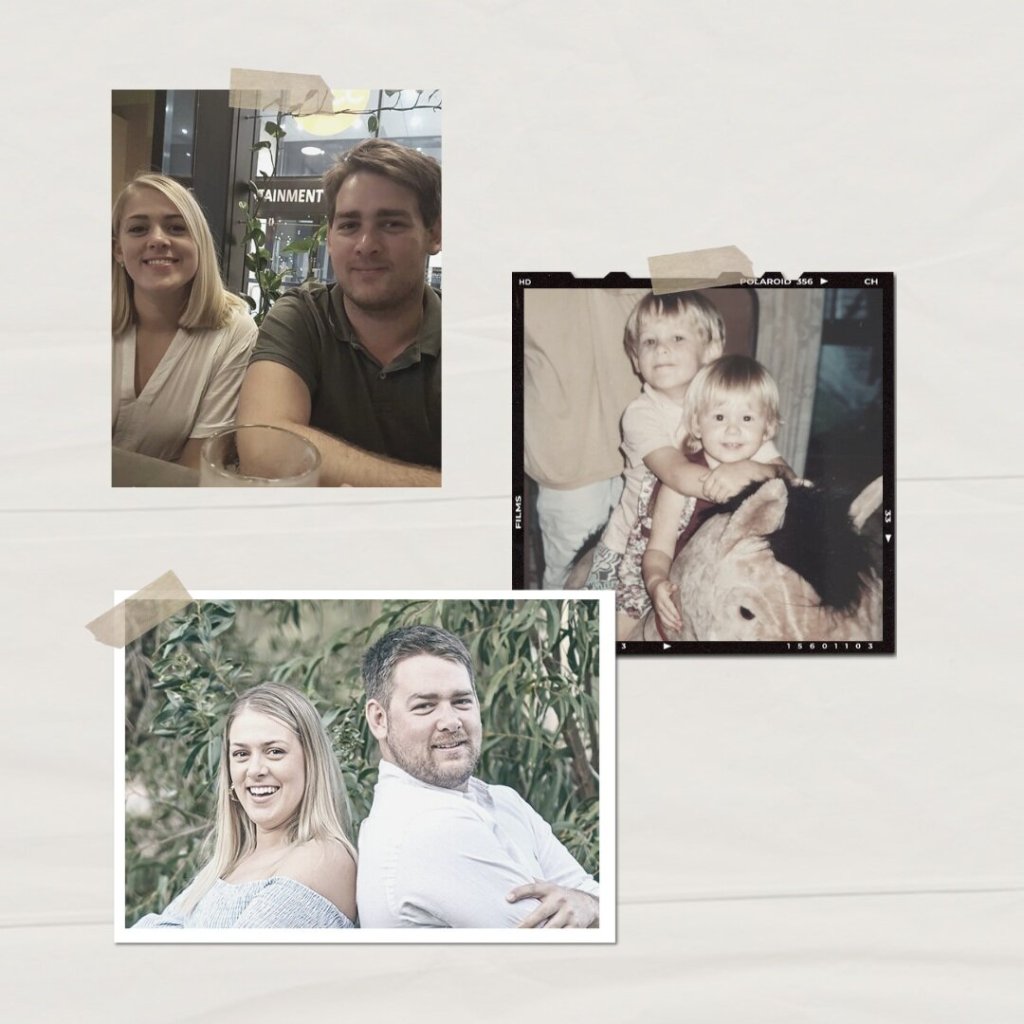
    Who I am today, is intricately linked to who I am, as a mother.  I have the privilege of being wished ‘Happy Mother’s Day’’today, by a thirty-year-old man and his twenty-eight-year-old sister; who is also his friend. 

    Thank you, God, for helping me to be a mother.

    P.S. And thank you God, that I am now a grandmother.

  • It Takes Courage to Change

    It Takes Courage to Change

    Do you ever get tired of change?  I do.  I have always thought of myself as a person open to growth, and a proactive person; but I am growing weary.  I worked for an organisation which navigated its way through an enforced change process, followed by another organisation, that grew so rapidly, that change was inevitable.  My bookshelves testify to an adult lifetime of personal development, which I equate with having an openness to change.  I have also sought counselling and professional supervision to help me grow emotionally and personally.  In spite of these many decades of experience with change and a determination to have a positive attitude to it, I have felt that there are no assurances that I will always handle change well.

    To start with, I am not sure my brain has been the best one wired for change.  Those of us that are wired for routine, struggle with change more than others who aren’t.  This is quite an irony, because if you want to make a positive change, you best build new habits, which usually involves routine.  Apparently, some of us get stuck in this routine and need a bit of a nudge to accept change; whether externally or internally required.  As Tami Forman says, routines are great because they reduce decision fatigue, keep you disciplined and generally make your life easier. Unfortunately, when change is required, these routines can hold us back.

    In her article called ‘The Psychology of Change’, Eva Ryker suggests that our attitude and the attitude of others (yes, peer pressure) plays a big role in our ability to change. The biggest contributor is our intention to change.  This is known as a growth mindset, rather than a fixed mindset, and supports behavioral change.

    Unfortunately, as we get older, we have a tendency to become more fixed in our thoughts and our ways.  It is not just teenagers who are sensitive to the opinions of others.  Change, especially personal development and growth, takes even more courage as we get older.   Not only are we often in routine ruts, but we can risk losing friendships and the acceptance of some others, when we become someone different. Perhaps, we have more to lose?   Jeffrey Bonkiewicz says it all in his article’s title: ‘It takes courage to change: Taking on new behaviours can be unpopular.’

    For all of my years of openness to personal growth, I have started to wonder if it is actually a perfection trap? God knows, this side of heaven, I will never be perfect.  So why even bother?  Is it even necessary to change, I ask? I even began to wonder if the personal development industry isn’t a scam. Wisdom has prevailed though.  Growth and change are inevitable, I read, including my own personal decision and willingness to change.  Personal growth, and therefore change, is a lifetime process rather than a bucket list item. 

    Change requires courage, especially in the face of pain and grief.  I guess we would all embrace change if we knew there was no suffering involved.  ‘Courage’, Brene Brown says, ‘is a heart word’; ‘it equals vulnerability.’ In fact, vulnerability, she says, is the birthplace of change- and innovation and creativity.  

    As a Christian, I believe that I serve a God that encourages change, and one who admires courage.  While the process of change is not promised to be pain free, we are promised that we will not be alone in the journey.  God will be with us. The Apostle Paul, in his letter to the Roman church, says that our transformation occurs by the renewal of our minds.  Thoughts and beliefs clearly impact our behaviours. This change that Paul talks about is not for the sake of change itself, or for some personal self-actualization. This transformation process is for the greater purpose of living a life for God’s purposes.  

    Fixed mindsets and fixed ways are clearly not the way forward.  An attitude of openness, of vulnerability, and of the heart, is what we need to be able to navigate the seas of change. I am sure humility and teachability should also be on this list.  I am convinced that my growth, especially in character and behaviours, has, and will continue to occur, not because of my successes, but rather through the setbacks and challenges.  And whenever I find myself growing weary, I may need to reacquaint myself with God and God’s vision and purpose for my life.   By fixing my eyes on His greater purpose for my life, in Christ Jesus, I will find the grace and the endurance to continue to run this race called life. 

    As John Assaraf says ‘anyone can stay the same. It takes courage to change.’

    Don’t give up! 

    Photo by Evie S. on Unsplash