Category: writer

  • The importance of a name

    The importance of a name

    As a pastoral care student, I visited a mortuary where bodies were sent for forensic autopsies.  That meant that the people who ended up there often were a victim of crime or died a violent death.  I did not see any bodies, but we did see the room where people went to view the body through a glass window. Our student group also spoke to a counsellor who was there to assist grieving families.  What impacted me the most was the realisation that the staff who conducted the autopsies usually did not know the names of the cadaver. Instead, they used a number for identification. This helped them to become emotionally detached from the person and the story of the dead on the autopsy table. 

    In the Nazi concentration camps of Auschwitz in the 1940s, the living was numbered by a tattoo forcibly placed on their body. This was one of several intentional dehumanisation methods used on the Jewish (and non-Jewish) prisoners of war. 

    Whilst these two situations are not the same; they do raise the same issue. That is the importance of a name.  When someone takes the time to call me by my name and to remember my name, I feel valued.  And likewise, when I take the time to call someone by their name and I remember their name, I am valuing them as a person.   

    My husband travels overseas with a group to provide medical treatment to the poorest of the poor in several nations.  The queue is long and the faces at the end of each day start to all look the same. These are people the medical staff will never see again.  One thing he insists on doing is taking the time to find out each person’s name and to call them by it. They are more than a statistic or a queue to reduce; each person has a story and each person has a name. 

    I recall as a child having a favourite teacher in a little country primary school.  He left our school one year and returned sometime later to visit.  I was one of a number of students that crowded around him and greeted him by his name.  He said hello to my friends and hello to my sister and he called her by her name.  He did not remember mine nor even say hello.  Whilst this was not dehumanising or intentional, it did make me feel invisible, insignificant and maybe a little immemorable. 

    Sometimes I am overwhelmed by my insignificance looking into the vastness of the heavens on a moonless night. I am amazed and reassured, that the same God that made the stars, is the same Creator God that formed me in my mother’s womb.  He knows the number of hairs on my head; he knows my name and he knows my story.  

    Each of us has a name and a story.  Some parents, more than others have invested a lot of thought into the name given to their child.  My mother was going to call me Donna. Except on the day I was born in a little county hospital, Mrs Donna was buried in the cemetery across the road. My mum told me she looked down at her cherubic first born daughter and called me Angela. 

    Whilst I have answered to Ange, Angie, Angela and even Amanda; all of these are preferable to being overlooked or treated as just a number.  I have become more sensitive to this as I have become older. Maybe it’s a result of living among strangers in a busy world? Whatever the reason, I have come to realise the importance of a name. 

    I confess that remembering names does not come easily to me.  I usually remember faces before the name.  And when I meet people out of the context I first met them, my brain scrambles to make the connection of the face to a name.   I have picked up a few tips on the way and I think I am doing better.  I certainly am not suggesting I get it right. One thing I do know though is that my name, your name, everybody’s name is important.  

    “A person’s name is to him or her the sweetest and most important sound in any language,” (Dale Carnegie) 


  • On loving a less than perfect mother on Mother’s Day

    On loving a less than perfect mother on Mother’s Day

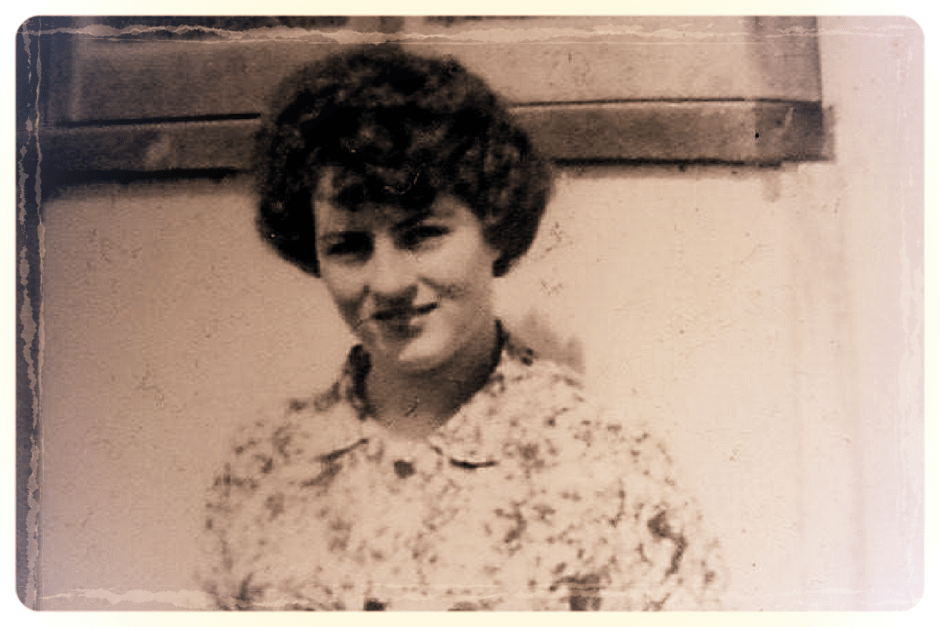
    Today is Mother’s Day in Australia. The sentimental phrases about mothers started on Facebook about two weeks ago.  Instead of warm and fuzzy feelings I felt a deep sadness settle over me. Not just for my loss through my mother’s death six years ago, but for my loss during her life. I am ashamed that I have so few good memories of my Mum; hurt and disappointment seem to have got in the way. I want to honor mum; as I should. After all good girls honor their parents.  Why then am I struggling to do this?

    Many people loved my mum; including my siblings and I.  However, not everything was perfect behind closed doors.  Mental and emotional health was not something that was talked about when we were growing up nor was the impact on the children often considered. Even now I struggle to confess that my mother suffered from mental health issues.  I am still learning the impact this has had on my siblings and I.

    Growing up as the eldest of four children born within four years, I took on an idealistic and unrealistic mantle of the responsible one; the good girl.  I don’t know when I crossed the line and became responsible for my mother’s happiness and became the family’s peacekeeper?  I believe it had something to do with my mother’s struggle with anxiety and depression, my temperament and the dislike for conflict. What child does not want their mum to be happy and their parents to stop arguing?  As a teenager, I would often plead with her and retrieve a knife, a rifle or pills from her hands.  I would also clean the house first thing on a Saturday morning, before she could yell at us kids.  I did lots of things as an adult too to try to make my mum happy.  It feels like I could never quite get there. No matter what I did, it was never enough.

    At some stage I moved from wanting to make her happy to helping her to change and find happiness herself.  At the wise age of twenty-seven, I thought that if I could make changes then mum could too.  It was her GP that told me to let go of the mother I thought was inside and accept that this was my mother.  Sadly, I do not think I ever did this.  There was too much frustration in the way.  I struggled all my adult life wanting my mum to be somebody else and failed to accept her for who she was, flaws and all.  I think my sisters did this so much better than I. 

    I harboured frustrations, resentment and hurt for the loss of the mother that I would have liked to have had.  Sometimes it felt like she had an uncanny way of throwing back my fears and flaws when it seemed I was not good or responsible enough.  Shortly before her cancer diagnosis, Mum was unhappy with me because I had not spoken up in a family falling-out.  She punished me by not wishing me a happy birthday.  And she accused me of only doing my religious duty when several months later, I dropped off a gift and a card to her for Mother’s Day. I was trying so hard to please her and please my God by honouring her. It felt like I had failed.    

    I had put all my energy into pleasing her and others and pushed down or ignored my needs, my desires and my ideas.  It took me years to discover and accept who I am when I am not being the responsible one or the good girl.  This was and is not healthy for me or my relationships with others; including my mother. Forgiving my mum for not being perfect was essential to letting go.  Finding my voice has been an important part of my healing journey.

    Along the way, I have shed many tears in private and I have called out to Jesus to come and heal my very sore heart. I learnt to press into the pain, own my feelings and not stuff them down.   For someone that liked pleasing people; especially my mother, I had to get used to the feelings of being seen as the mean girl when I set boundaries; especially when I was used to the role of peacekeeper and one who usually rescues the situation.   That lesson did not come easily. Learning to express my needs requires honesty and can mean rejection; a feeling I have to downgrade. 

    Compassion and empathy for mum has come in waves.  It came at unscheduled moments. It came while watching Sandra Bullock’s character wrestle with her relationship with her mother in the movie “Divine Secrets of the Ya Ya Sisterhood”.  It comes when I recognise in myself similarities to mum as I age.  It came when reading a Brene Brown book and accepting ‘What if she was doing the very best she could?’

    When we found out mum was very sick, I dropped everything and loved my mum the only way I knew how; I did things for her.  I drove her six hundred kilometres to admit her into hospital. I often visited with her; sometimes giving Dad the opportunity to return home for a break and look after their home.  When she was released to come home to die, I drove to Brisbane to pick her up.  For the last few months, she was in palliative care at home, I bathed her and changed her sheets. I visited her most mornings and every afternoon to check in on her.  We never really talked about things she said.  Somehow, they were not important anymore.   

    I am learning to live with the sadness of a mother gone.  I am grateful for a loving God that is at work healing my sore heart and helping me to forgive and understand. My heart is encouraged knowing that mum loved each of her children, grandchildren and great grandchildren, as best she could. She loved being a mum. And I loved her.   Happy Mother’s Day Mum.  

  • Who am I if not a mother?

    Who am I if not a mother?

    Yesterday I considered adopting a child from overseas. Again!  The day before that I was designing a kitchen table enterprise based around home and hearth. Today I cried when I reread a poem I had written seven years ago, when my son left home.  (You can read that poem at the bottom of this post.) It occurs to me that maybe I have not come to terms with the end of a season of my life:  mothering. 

    It is not that I will ever stop being a mother.  I am just no longer mothering.  I mean the stuff of home and hearth, and life’s reason and season being centred around motherhood. 

    Perhaps it coincides with menopause and the stopping of the biological clock.  It certainly coincides with my feeling middle-aged and what I see in the mirror each day; and dare I say, passing my ‘useful’ date.  Maybe if I had gone on to have more than two children I would still have a child at home?

    Perhaps if my children had made me a grandmother by now I would not be thinking about these things either. But I have let that go.  I am accepting that is God’s will and my children’s prerogative; not mine to request. 

    I seriously did think about adopting from overseas yesterday. Social media brought to my attention a single woman of fifty-three adopting from overseas. She is two years older than me. This was not a new thought as I had earnestly looked into this six years ago.  At the time my husband and I felt led to foster and became the foster parents of a preteen later that year.  For three and a half years I loved mothering another. 

    I have been mothering for twenty-five years in total.  Even though both children left home the same year I managed to be involved in my children’s lives from a distance.  These past six to seven years, I have watched and supported them finishing university, starting a business and finding permanent work; one has partnered up and they both have established their own lives away from me, my husband and the family home. 

    Motherhood is a comfortable and safe place for me. Perhaps not so twenty-five years ago when it first started. Sometimes I would count down the years until it was over when I felt the crushing responsibility of it. But, I did discover my rhythm and joy for this season of my life.  I possibly hid behind it as I have served the family and have encouraged their hopes and dreams. Nothing or nobody has prepared me for the day when I am no longer actively mothering. I never planned for this. 

    My hopes and dreams that have been pushed aside for a long time, now have the chance to flourish. I no longer have parenting responsibilities. With the exceptions of genuine limits, there are new possibilities out there. And yet, I am struggling to overcome a strong pull to go back to doing what I have known for most of my adult life. The landscape is vast and yet my automatic response is to return to what is safe and comfortable: mothering.

    What next?  Who am I when I am not mothering?  That is the big question? Ahead of me, God willing, is another 25 years. It is time for me to grieve the loss of my season of motherhood. It is time for me to take courage and dare to risk for my next season.  We have a divine priority for life to risk and grow and yet our feelings are saying, be comfortable and safe. (© David J. Riddell, Living Wisdom)

    What about you? Do you know who you are if you are not a mother?  Are you like me and have this pull back to what is comfortable and safe? What does it look like to risk and grow: to dare to dream of what life is like after motherhood?  Who are you when you are not a mother?   


    See Ya!

    He left for the next chapter of his life with an uncomplicated “See Ya!”

    Fresh places beckoned his passage of rite along with promise and fervour.

    His Ute filled with luggage and golf clubs; the fuel tank full for the journey in front.

    Without even a kiss or hugs, he left our home empty of his presence and stuff.


    I had tried to get a life before the family spread, thinking I had it all considered.

    Nothing could prepare my heart ahead; the emptiness too big to be covered.

    It feels like the heartbeat has stopped in our family home, his absence tangibly evident.

    Now barely a retreat for mum, dad and the two dogs, the house and my life-desolate.


    Is there life after motherhood, when it seems as if one’s purpose has runs its course?

    I wish these feelings away if I could, as few understand my unhappiness.

    It’s easy to feel worthless when one’s apparent use has expired in a sense.

    The future seems so pointless, when a home has lost its reason for existence.


    Unprepared in spite of nine months warning; before there were only two of us.

    As was his departure Tuesday morning his entrance was as raw and rushed.

    Again only two of us, just as before; unprepared for each other’s company.

    Conversation is now difficult and unsure. What do we have in common? Anything?


    The lounge chair he plopped in each night is as free as the outside car park.

    No books to trip over piled alongside, the stool vacant at the breakfast bar.

    The house has never been cleaner or the grocery bill so small.

    This is healthier for my demeanour as there’s nobody to nag or be anxious about at all.


    He has been on loan to us for nineteen years; a gift from our Creator and Saviour.

    He goes blessed and leaves with few cares; his future sealed with sovereign favour.

    God made him like no other, unique and full of potential to be discovered.

    Our job as father and mother was to prepare him for the destiny yet to be uncovered.


    Its time to look backwards and rejoice in the highlights of the life of a son becoming a man.

    His preschool stuttering voice outshone by the eloquent toastmaster he has become.

    His home-schooled math a year behind and now he tutors others as its master.

    And sieving gems in his uncle’s sapphire mine; a prelude to his mining future!


    He was mobile at nine months although he did not learn how to fall on his rear.

    He had a head full of bumps as he fell frontward onto the coffee table and floor.

    Fast forward fifteen years; he seemed happy to fall for the game of rugby league.

    This time grunts but no tears; as well as corked thighs, busted eyes and bumps on his knees!


    I remember him as a gentle kid, not liking dad’s company and preferring mine.

    He would rather stay inside he said, preferring quiet activities to his father’s life.

    It started with football and progressed to fishing, before they took hold of diving gear.

    Bungee jumping, paragliding and spear fishing, something they both shared without fear.


    No partner for fishing, footy or diving; Dad will especially miss his best mate.

    No more rivalry or card playing?  What will happen on Friday nights?

    No socks or thongs to go missing, nor eskies left behind somewhere else.

    Dad is going to miss him and the pain of his absence perhaps yet to be admitted to self.


    We will miss his easy-going manner, his wry grin and peaceful presence;

    And I am beginning to miss his clutter, his unwashed laundry and kitchen mess.

    His room is ready and his bed sheets laundered, for whenever he returns for a weekend.

    The kitchen’s clean and pantry replenished; almost ready for the messy gourmet again!


    A text, an email or a phone call, should easily keep the family connected.

    If only he liked to talk, however small, this mother would be glad for a few words said.

    He’s so busy now and so grown up; we seldom see glimpses of the boy who used to be shy.

    He is responsible and has stepped up; time to release the parent strings and let him fly.


    We miss you son!  See Ya!

    (©Angela May, January 2010)


  • My friend Mary

    My friend Mary

    I met Mary in this village nearly seventeen years ago.  We were a little family of four on a faith adventure in Vanuatu and she was working for her provincial government in partnership with an NGO. We found in common our faith, our love for the people of Vanuatu and an interest in enterprising solutions for the nation.

    We kept in touch by sporadic emails. Mary’s internet service was ad hoc and dependent on her employment. Ours’ back home in Australia was brilliant in comparison.  We spent a week with Mary and her husband in their home on the neighbouring island several years later and Mary visited our home in Brisbane.  I met up with Mary again last year, when she was in Australia on a speaking tour with ActionAid.  It was as if nothing had changed, and yet it had. 

    Mary was now a widow.  I already knew that from her correspondence.  We were both much older and so were our children.  Mary was now a grandmother; me, not yet.   I was in full employment and Mary was hopeful. 

    Mary has communicated with me-and with others, that she faced many challenges as a widow in her culture. She chose to do something about this. She found her voice. 

    Tanna Island, a large southern island of Vanuatu, is Mary’s home. Tourists know Tanna for its live volcano called Mt Yasur. I am a rather proud -and in hindsight a somewhat crazy, tourist who climbed it and eyeballed it’s molten depth!  Mary’s home is on her husband’s family’s land but she is vulnerable to family pressures to relinquish it.  In spite of being amongst family, I recall Mary’s anger when as an early widow, she was propositioned by some of the married men she knew.   

    In recent years, Mary has sought to speak up for women and especially widows in her region. She has many ideas, but little funding or support. One of her desires is to train the women in the provinces to help them package, preserve and sell their produce. She also wants to empower these women in leadership. As a part of her journey, Mary ran for provincial government.  

    Mary’s political journey started nine years ago when she sought endorsement to contest the provincial elections. Her article for the Pacific Institute of Public Policy called The Long Journey-Political Acceptance of Women, outlines the challenges she met as a possible candidate. I found it especially sobering to read of what happened to women who considered voting for her.  

    I love the women and men of Vanuatu.  Our family counts amongst our closest friends ni-Van families that live in the Capital Port Vila, Erromango Island-where this photo was taken, and Tanna Island. Our first few visits to this tropical archipelago were as tourists. Our latter is simply to visit our friends. My husband, son and many male friends would add ‘and for the fishing’!

    Recently, I have been confronted to read formal documents of support for our Pacific neighbours highlighting the sexual abuse against girls in Vanuatu as one of the highest in the world. The inequity in women’s leadership in this Pacific nation has not gone unnoticed either. 

    I thank God for women like Mary who won’t be silenced and is speaking up for the women of Vanuatu.  My question and prayer is, what more can I do? 

  • Waiting for the ducks to line up…

    Waiting for the ducks to line up…

    I am mad with myself tonight.  My commitment to write this week was delayed as I attended to every matter of things except writing.  Sure, there was a fair amount of social media scrolling going on, but it was mostly other good activities that stole my time.   None were in vain, nor bad; but all were placed in front of the one thing I believe I am to make a priority each week; and that is to write. 

    Only a miracle can make time stand still. There will always be important and significant activities; planned or not, that will demand my time. As a result, I have less time available for my priorities. It is up to me to not get distracted.

    I know we give social media bad press for wasting our time, but I actually think general busyness is a bigger problem.  There is no end of good works, great ideas and opportunities available to get involved in.  The problem for me is how to say no to most of them so I can say yes to the things that are important and the things I am called to do.  My guess is there is a huge chunk of redundant planning, organising and worrying that also takes up my time.

    This week I spent an unnecessary amount of time nesting. We have moved into a new home recently and there is still lots of bare walls, floors and windows to adorn.  I spent a large slice of my time browsing the internet and local shops for ideas and bargains.  As lovely as this is, I am not sure I needed to do this this week. 

    I remember being an undergraduate in university, studying for my final year exams.  Our two-bedroom student unit never looked so clean nor the pot plants so healthy. I wrote a book in my head called “101 things to do instead of studying”. I realise this is straight out procrastination and I knew it!  Unfortunately, as I have gotten older my schemes for sabotaging my priorities have become more subversive. 

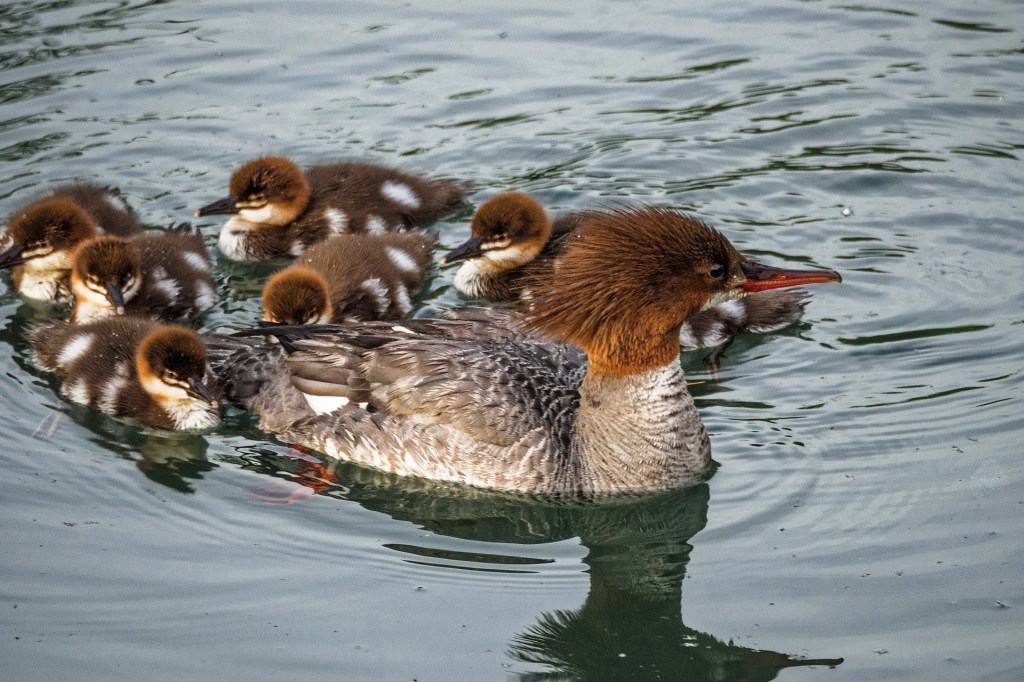
    I have this tendency to want to put all my ‘ducks in a row’ before I do the very thing I feel is very important to me and my future.  I feel the need to have everything in order before I can get to the things that are important to and for me. Of course, the little critters are destined to never be in a neat little row; so in essence I am doomed to never to get started. 

    I do not want another decade to go by and find once again I have not had the time to do the things I feel called to.   I know that I must learn to live with loose ends and messiness. That is easier said than done some days.  I must make friends with disappointing others. I also have to get used to feeling a little selfish in order to meet my goals and set my priorities in order. 

    Here’s to a new week and clear priorities.  Irrespective of how tidily my ducks are lined up (or not) and in spite of the many other good things I could be doing; this week I will not be distracted!

  • Oh Mary, what must it have been like early this morning…

    Oh Mary, what must it have been like early this morning…

    Oh Mary, what must it have been like for you early this morning to find his body missing from the tomb? I think you were so brave visiting the garden in the dark and by yourself.  Only a few days before, your friend and teacher had been unfairly tried, publicly humiliated and crucified as a common criminal.  How dreadful that another very close to him betrayed him to the very religious leaders who had been plotting to execute him.  

    I can only imagine how devastated you must have felt to arrive in the garden to discover that his body had now disappeared.  How Mary did you manage to focus through all those tears to notice the two sitting inside the tomb where your friend’s body had previously lain? Where you frightened when the two-angels dressed in white, spoke to you? I am curious: why didn’t they appear to Peter also when he peered into the empty tomb?  

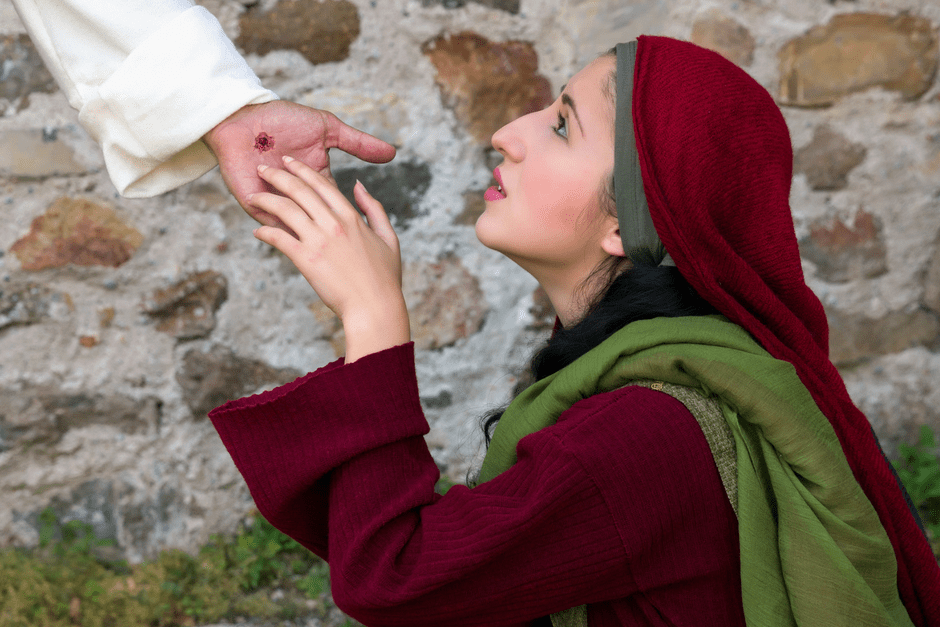
    I can only imagine the shock Mary when the presumed gardener turned out to be your very-much-alive teacher, friend, Lord and your God.  I get goose bumps when I imagine what his voice must have sounded like when he greeted you by name.  Mary, you were the first to see the resurrected Jesus Christ, with his nailed scarred hands and hole in his side. His suffering was not an aberration; neither was his presence this morning. 

    I can only imagine how afraid you were and how much joy you were filled with when you realised you had seen the risen Lord.  What an amazing morning Mary.  

    — 

    Today is Easter Sunday.  Christian churches across the world celebrate Jesus Christ’s resurrection.  The same God that created the world loved us so much that He gave his only Son to die (and rise) for us.  Anyone who believes in Him will not die but have eternal life.  (John 3:16)

    The message of Easter is not restricted to a long weekend filled with chocolate bunnies and eggs. It is a message for all year and all of life.  How wonderful that the same risen Lord Jesus Christ, that called Mary by her name, can be our friend, teacher, Lord and God as well. 


  • What homeschooling taught me

    What homeschooling taught me

    I had the privilege, the pleasure and the challenge of homeschooling our children for two years.  While I felt led to do so, this was also somewhat necessary and practical for our family of four as we embarked on a season with lots of changes.  This included a three month stint living in Vanuatu villages. 

    I say privilege because of its higher calling as well as wonderful familial connections that resulted from the experience.  As a Christian I was impacted by verses in the Bible that reminded me that my children were a gift from God (Psalm 127:3) and as parents we were responsible before God for raising them; especially teaching them God’s commands (Deuteronomy 6:7). 

    The revelation for me was that up until this time, I had abdicated my responsibility to others.  My children had been receiving a private Christian education along with after school music lessons; sporting activities along with church youth group and Sunday school-by others. These were undeniably good things and I had no doubts that teachers were better educated than me to teach our children.  This homeschooling journey taught me that it would have been okay to delegate but I had been abdicating. The pendulum had fully swung to the other side and I was now wholly responsible. It was a timely intervention and helped rebalance my responsibilities and attitude towards parenting.

    My automatic response to squabbling siblings in the backseat of the car on school holidays usually started with a reprimand and finished with “I can’t wait until you two go back to school”.  On the first day of homeschooling I caught my myself in time and my response changed to “You two are going to have to learn to get along.”  And get along they did; and we did.  For those two years we learnt to be a family and enjoy a shared life together instead of being a bunch of individuals cohabiting.

    I confess there were challenging times; quite a few actually. I regularly doubted my ability to do this well.  I sometimes wished it was another and not I who was responsible for handling one child’s headstrong personality or the other’s procrastination tendencies.  I learned how different and unique my children were.  I discovered some of their strengths and weaknesses; likes and dislikes.  I came to appreciate their created uniqueness and was a part of the journey to foster that. I was able to do that as a parent who was involved in my children’s life twenty-four seven.

    I feared I was doing it all wrong, even though the curriculum was set out by a distant school.  I worried that my children were not doing enough when they finished all their school work by lunchtime. I worried when my son was behind in his mathematics.  Five years later I trained to be a teacher and chided myself for having worried at all.  Our son, who was behind one year in his mathematics units caught up with his homeschooling lessons overnight and went on to get A’s at high school. The same child is now an Engineer with an uncanny ability for mathematics. In hindsight I wish I had trusted God with His leading and enjoyed the journey more.  Perhaps I could have learnt this lesson better. 

    There was pleasure in homeschooling. I enjoyed the absence of the morning chaos, which included searching for clean and paired socks, ironing uniforms and making lunches that would not be eaten. Instead I enjoyed a calm start to the day with morning devotions and reading a chapter of their favourite book.  Some days, school work was completed under a tree and other days at the kitchen table.  We had fun together growing veggies and flowers, incubating eggs and raising chickens; and selling them onto Granddad.  We baked together, we had morning tea with grandparents and we visited science fairs together.  When overseas, the children spent their afternoons swimming with the island’s children, kicking a soccer ball or playing marbles in the village. 

    This season of our life ended and our children started at local State schools.  I grieved for months. It was right at the time, as the extroverted child was seeking friendships and the introverted child, I had noticed, was getting shyer. I was not their tutor anymore however I was still their parent. I did not let go altogether this time.  All during the following years of high school and university I remained interested and supported their education and their teachers.  I had learnt to delegate not abdicate.

    The wonderful bonus is that shared family holidays and activities remained and developed.  We learnt to enjoy each other’s company during this season. We learnt to be family. Given the choice again, I would do it in a heartbeat. 

  • It’s raining it’s pouring…

    It’s raining it’s pouring…

    Do you know the rest of this nursery rhyme?  “…the old man is snoring…”  

    Rain takes me back to my childhood.  I hear old nursery rhymes. I take a long deep breath through my nose and fill my lungs with its scent. First drops of rain on the dusty earth is a such a sensory experience. I travel back in time to the farm of my childhood when the smell of first rain heralds the much awaited watering of a crop. 

    As a child lots of rain usually meant slippery roads and flooded creeks.  My very first day in school was during floods and away from home.  The weekend before school started I boarded the amphibious Army ‘duck’ for the township;and school on the other side.  I crossed the flooded river to stay with a local church family who would take my nearly five year old self to her first day of school.  Floods came the next year too but this time my mum and a new neighbour were ahead of it and rented a house in town so we kids could get to school. 

    Another memory is heading home from the local picture theatre to our farm house one dark night. Our family station wagon slid all over the black mud that replaced the dusty road.  With no seatbelts in the vehicle my siblings and I had to hold on where we could, while Dad’s strong hands gripped the steering wheel extra hard. He managed to keep the car away from the edge of the road . He avoided getting the car bogged and manoeuvred the sedan through and around the ruts and the potholes that had multiplied.

    It has been raining here this past week.  The rain is very welcome after a painfully long, hot and dry summer in Central Queensland.   I sort of wish it would go away. We have had a week of rain now and our tank is full, the dam too and the back yard, the gullies, the creeks and the rivers are flowing.   The grass once brown is now green again and more has emerged from the hungry ground that soaked up the water. Too much rain and our roads start getting cut off and our highways fill with potholes.  

    One weekend we were sitting on the back deck of our home with good friends when it started to rain.  A local festival was underway. We had just finished dinner and were planning to head out for the evening.  I sighed and announced it looked like we weren’t going out that night. Our friend, a European girl by birth, was so surprised.  “Why?” she said, “if we had that attitude in my country we would never go out!  Let’s just dress for rain.” Well that there presents another dilemma. I do not own wet weather gear.  A pair of rubber thongs (not the underwear type) is the closest I own to waterproof wear.  We spent the evening in.

    Rain for me now is snuggling weather;  reading a good book and listening to the rain fall on the ‘tin’ roof.  And maybe even a little snoring.  It is not weather for going outside. I have yet to purchase my first rain jacket and have never owned a pair of gumboots. I bought our children gumboots once and the spiders built a home in them before the children outgrew them.  We own a few cheap umbrellas but they are not much good in a tropical downpour or horizontal rain.  Our rain is usually so welcomed we don’t mind getting a little wet; or we just stay out of it! 

    It has stopped raining now and the sun is out.  Time to go outside. Perhaps you know this nursery rhyme:.  “Rain, rain, go away; come back another day.” 

  • Big thoughts and small talk

    Big thoughts and small talk

    I like to write and am very happy speaking from the front, but take me to a party and I’m rubbish at small talk.  I am comfortable with asking people deep and meaningful questions but out of my depth with light and entertaining conversation.  Sit me next to a stranger on a plane and I will bury my head in a book and put earplugs in to avoid having to make conversation.

    For an introvert-as I am, this is quite normal; though not always helpful. Hiding is not always an option.  Nor is it particularly good mannered.  Evidence points to the fact that not everyone welcomes deep conversations. So small talk is necessary I am lead to believe. 

    Weather gets a bit ho-hum.  Surely there are other people like me that have zero interest in sports.  There is only so much we can tell people about others or our family without breaching their privacy or being a gossip. Too many holiday dialogues sound like a bragging festival or a travel documentary. Does that only leave cute kitten and puppy stories?

    Good small talk does not have to be shallow. Our social media habits have done little to enhance good conversation with their practice of superficial and brief messages.   Perhaps it is time to rediscover the old art of a good conversation. 

    One aspect of making good small talk is preparing and telling a short personal story.  Much the same as preparing and practicing one’s elevator pitch.   Where an elevator pitch might be 30 seconds long, a small talk story can be a minute long.

    Small talk, I have deduced is harder than my big thoughts.  If I opened my mouth and let my thoughts tumble out I reckon I have zero chance of engaging someone in conversation or of being considered interesting. The quality of a good story is as much dependent on the words left in as the words left out. 

    Telling a good story and engaging another person in a light and entertaining conversation is an art.   It takes skill and it takes practice.  How many people do you know that do this well? Possibly very few if you count them when sober. Perhaps that’s why so many people hunch over their phones to tweet or post selfies whilst at a party.

    No matter how ordinary or routine our lives are, no one else has the same story or stories to tell.  Ordinary stories can be interesting if told well.  It is time to harness those big thoughts and create an interesting short story for making superb small talk.  Join me at the next party and let us practice the art of a good conversation together.

  • Kind words are like honey

    Kind words are like honey

    In our land down under where sarcasm is de rigueur I am often left wondering if kind words are considered to be only for the soft and the foolish.   

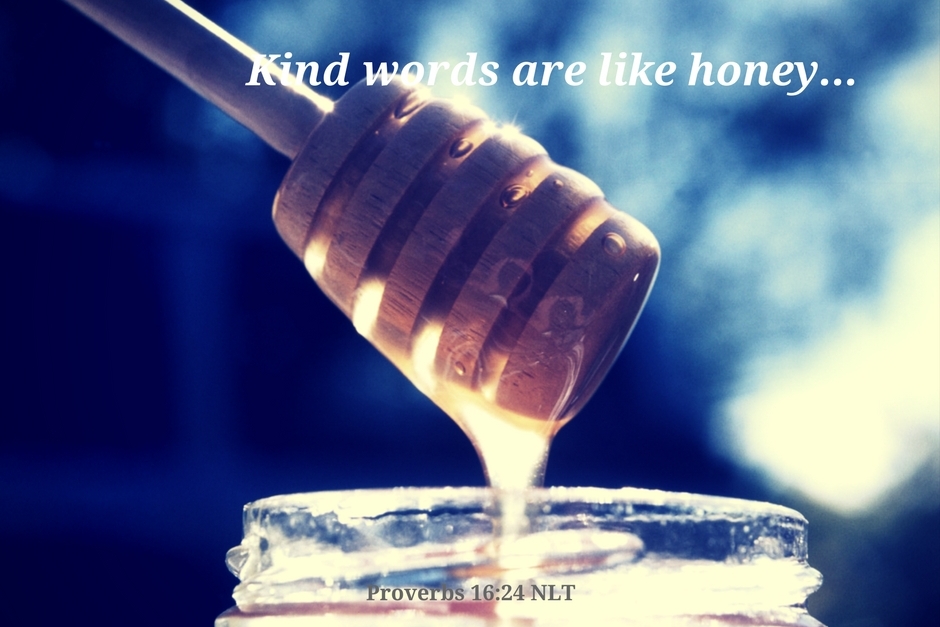
    The Bible says kind words bring sweetness to the soul and health to the body. (Proverbs 16:24) They sure do to me. Some days I reckon all I hear is criticism, sarcasm or silence.  It feels as if a little more of me shrivels as a result. It is as if my soul and body ache with the pain. 

    I recall some ten years ago after a close relative completed suicide that many people were especially kind to the spouse when they heard. They were generous in business dealings where they had previously been indifferent and hard nosed. They said kind words and were understanding when previously they had been otherwise.  At the time I struggled to understand why they could not do that all the time.  Is tragedy, I thought, the only invitation they have to speak words of kindness?

    I long to hear kind words.  I want to speak kind words to others.  Sometimes I have to tell my inner critic to shut up so I can speak kind words to myself.   

    If the Bible says kind words bring sweetness to the soul then perhaps it is possible we can entice a bitter soul to become less so.  If kind words bring health to the body, why not speak kind words then to others and to our self to bring health and vitality?

    What does it cost us to say kind words?  Is it our cynicism and defensiveness the reason we withhold kindness and opt for sarcasm or silence?  Perhaps we are reluctant to be kind in case the other person is not kind in return.  Instead of practicing our wit and our banter why not practice kind phrases.  Instead of recognizing faults why not look for beauty and good things in a person. Instead of being silent why not be vulnerable and commend another; maybe speak kind words to a stranger.

    Let us be honest, kind words do not cost us money.  Kind words are like honey. Why not spread a little sweetness and good health to another and make kind words de rigueur tomorrow.